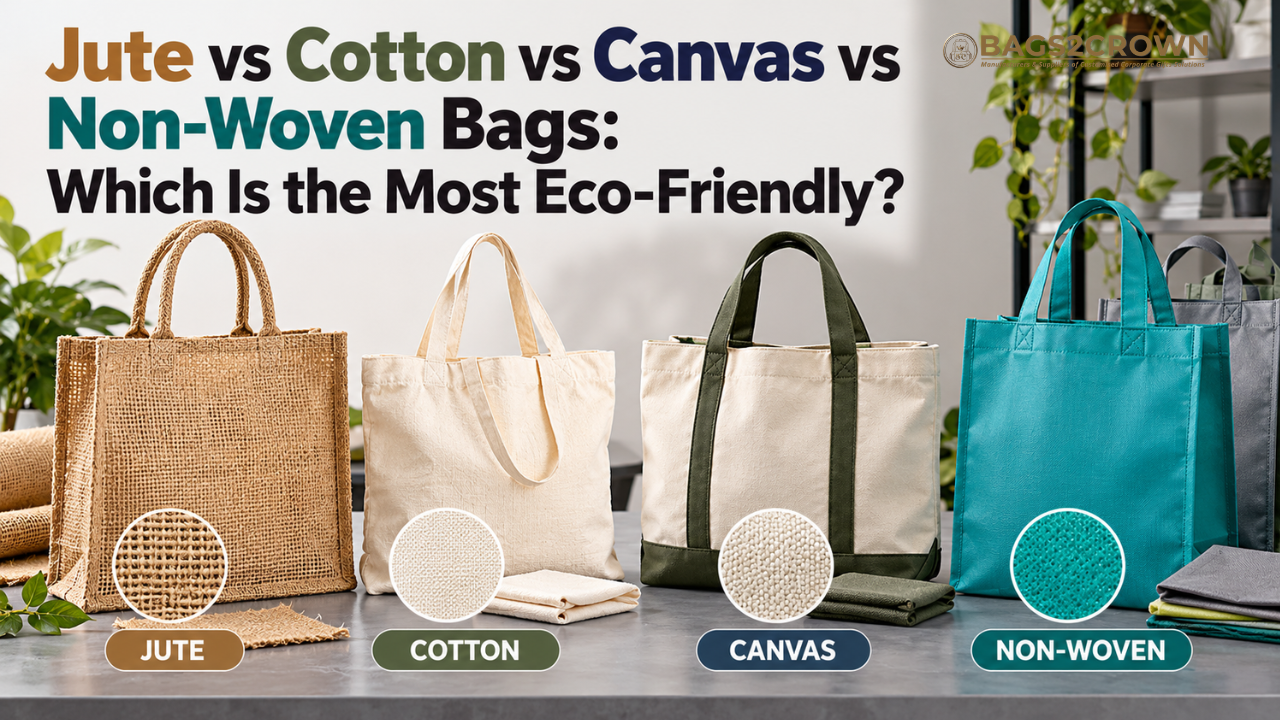
Jute vs cotton vs canvas vs non-woven is the comparison most buyers face the moment a brief says “eco-friendly bags”. All four are sold as reusable alternatives to plastic carry bags, and all four can carry your logo, but they are not equally green. One is a natural fibre from a low-input crop, two come from cotton, and one is actually a plastic. For a procurement, CSR or marketing team, choosing well means looking past the label at how each material is grown or made, how long the bag lasts and what happens when it is thrown away.
This guide compares the four materials side by side and gives a clear recommendation, drawing on our experience as a jute bags manufacturer in Mumbai since 1989.
Jute vs Cotton vs Canvas vs Non-Woven at a Glance
| Material | What it is | Biodegradable? | Durability and reuse | Logo printing | Best for |
|---|
| Jute | Natural bast fibre from the jute plant | Yes (unlaminated) | Strong, stiff, holds shape for years | Bold logos; laminated jute for detail | Shoppers, conference bags, gifting |
| Cotton | Light woven cotton fabric | Yes | Foldable and washable, lighter loads | Smooth surface, sharp prints | Promotional totes, drawstring bags |
| Canvas | Heavy, tightly woven cotton | Yes, if 100% cotton and uncoated | Very durable, heavy loads | Clean, crisp prints | Premium totes, backpacks, retail |
| Non-woven | Bonded polypropylene (a plastic) | No | Limited; tears and frays with use | Good at low cost | Short-life promotions only |
Short answer: natural jute is the most eco-friendly all-rounder, cotton and canvas follow when the bag is reused often, and non-woven is the least eco-friendly of the four.
What Makes a Bag Truly Eco-Friendly?
No bag is impact-free. A fair comparison looks at four things:
- Raw material: how much water, fertiliser, pesticide or fossil fuel goes into the fibre.
- Durability: how many times the bag can realistically be reused before it fails.
- Actual reuse: whether people keep using it, which depends on design and usefulness as much as material.
- End of life: whether the bag biodegrades, can be recycled or stays in the environment.
A bag that is made from a gentle raw material, lasts for years and breaks down naturally at the end scores well on all four. Run jute vs cotton vs canvas vs non-woven through these tests and the differences become clear quickly, even though all four are marketed as reusable. That is the lens used below.
Jute Bags: Natural, Strong and Biodegradable
Jute is a fast-growing plant fibre cultivated largely in eastern India. It is mostly rain-fed and needs relatively little fertiliser and pesticide compared with cotton, which gives it a light start before the bag is even made. The fibre is coarse and strong, so jute bags hold their shape, carry heavy loads and survive years of grocery and daily use.
At the end of its life, natural unlaminated jute biodegrades. Laminated jute, popular for grocery and food gifting, adds a thin inner coating for moisture resistance and smoother printing; it is still a long-life reusable bag, but that coating makes it less straightforward to break down, so choose unlaminated jute when biodegradability is the priority. For printing, jute suits bold, simple logos, while fine detail is better on laminated jute or juco, a jute and cotton blend with a smoother face.
Cotton Bags: Soft, Light and Washable
Cotton bags are light, foldable and machine-washable, and their smooth surface takes sharp, detailed prints. That makes them popular for promotional totes, drawstring bags and event giveaways. Cotton is biodegradable, but conventional cotton farming is water-intensive and uses more fertiliser and pesticide than jute. Lifecycle studies consistently find that a cotton bag has to be reused many times before it beats a single-use bag on overall footprint.
Cotton is a good eco-friendly choice when the bag is designed to be kept and used regularly. It is a poor one when thin cotton bags are handed out in bulk and used once.
Canvas Bags: Heavy-Duty and Long-Lasting
Canvas is a heavy, tightly woven fabric, traditionally cotton. Canvas bags are the most durable of the natural options, which makes them ideal for premium totes, retail bags and canvas backpacks that people use for years. Because canvas uses more cotton per bag, its raw-material footprint is higher than a light cotton bag; the payback comes from that much longer life.
A 100% cotton, uncoated canvas bag biodegrades. Blends and heavy coatings change that, so ask what the canvas is made of before calling it eco-friendly.
Non-Woven Bags: Cheap but Not Truly Green
Non-woven bags look like fabric but are made from polypropylene, a plastic, bonded together rather than woven. They are inexpensive and print well, which is why they appear at so many events. However, they do not biodegrade, they wear out and tear relatively quickly, and although polypropylene can technically be recycled, used bags rarely are. As they break down, they leave plastic fragments behind.
In India, the Plastic Waste Management (Amendment) Rules require non-woven plastic carry bags to be at least 60 GSM from 30 September 2021, and several states and cities apply stricter local rules. If your brief is sustainability-led, non-woven is hard to defend. BAGS2CROWN’s eco range is built on jute, juco, cotton, canvas and muslin rather than non-woven.
Jute vs Cotton: Which Is More Eco-Friendly?
This is the closest contest. Both fibres are natural and both biodegrade. Jute pulls ahead on the raw material, because the crop needs less water and fewer chemical inputs, and on durability, because a jute shopper carries more weight and keeps its shape longer. Cotton wins on softness, washability and print detail, and organic cotton narrows the gap on farming impact.
If the jute vs cotton decision still feels like a trade-off, juco splits the difference. This jute and cotton blend keeps much of jute’s strength and natural look while giving a smoother face for detailed logos, which is why it is popular for promotional shoppers.
For shoppers, conference bags and gifting, jute is usually the greener choice. For light, foldable bags with detailed artwork, a well-made cotton or juco bag that people keep is a sound alternative.
Which Should You Choose?
The table settles the broad jute vs cotton vs canvas question, but the right bag for your order depends on how it will be used, what it must carry and how detailed your artwork is. As a rule of thumb:
- Grocery and retail shoppers: natural jute or laminated jute with a food-grade lining.
- Conferences and seminars: jute conference bags, or juco when the artwork is detailed.
- Corporate and festive gifting: jute totes, wine bottle bags and pouches, or a premium canvas tote. See our corporate gift items.
- Promotional giveaways: cotton or juco bags designed well enough to be kept.
- Heavy daily use and retail ranges: canvas totes and canvas backpacks.
- Pouches and kits: muslin drawstring pouches or jute cosmetic pouches. Explore our cosmetic bags and pouches.
Whichever material you pick, the greenest bag is the one that gets used again and again. A strong, well-sized bag with a logo people are happy to carry will outperform a technically greener bag that ends up unused in a drawer.
How to Make Any Eco Bag Greener
- Choose the right weight: a heavier GSM for heavier loads, so the bag does not fail early.
- Specify strong handles: cotton, jute rope, cane or self-fabric handles matched to the load, with reinforced bottoms.
- Keep branding timeless: a clean logo people are happy to carry, instead of a dated campaign slogan.
- Order the right quantity: bags left in a store room help no one.
- Size it for real use: a bag that fits an A4 folder or a week’s groceries gets reused far more.
Order Eco-Friendly Bags from BAGS2CROWN
BAGS2CROWN has been manufacturing bags in Mumbai since 1989, with our production unit in the Dharavi cluster and our office in Sion (W). Our jute and eco bag range includes jute shopping and conference bags, juco shoppers, cotton canvas totes, cotton and muslin drawstring bags, jute wine bottle bags and jute pouches, all printed in-house with your logo. There is no fixed minimum order quantity, bulk production runs 7–10 days from the approved sample, and we deliver across Mumbai, Maharashtra and pan-India.
Not sure which material fits your brief? Share your use, quantity, branding and delivery date on WhatsApp, call +91 93244 31717 or email kasif@bags2crown.com, and we will recommend the right option. You can also browse our eco-friendly bags.


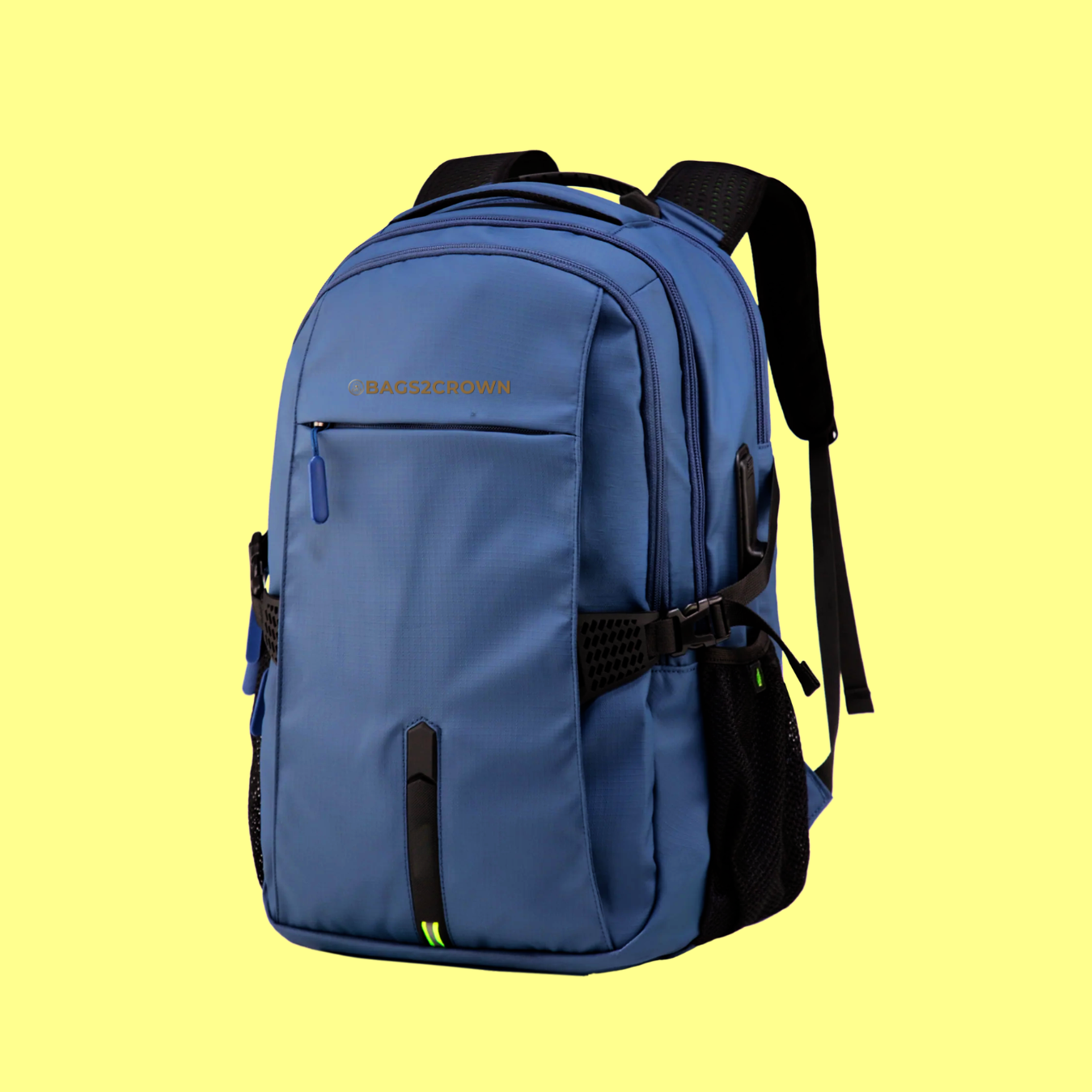 BackpacksCorporate, laptop and campus backpacks in bulk, branded with your logo.View Products
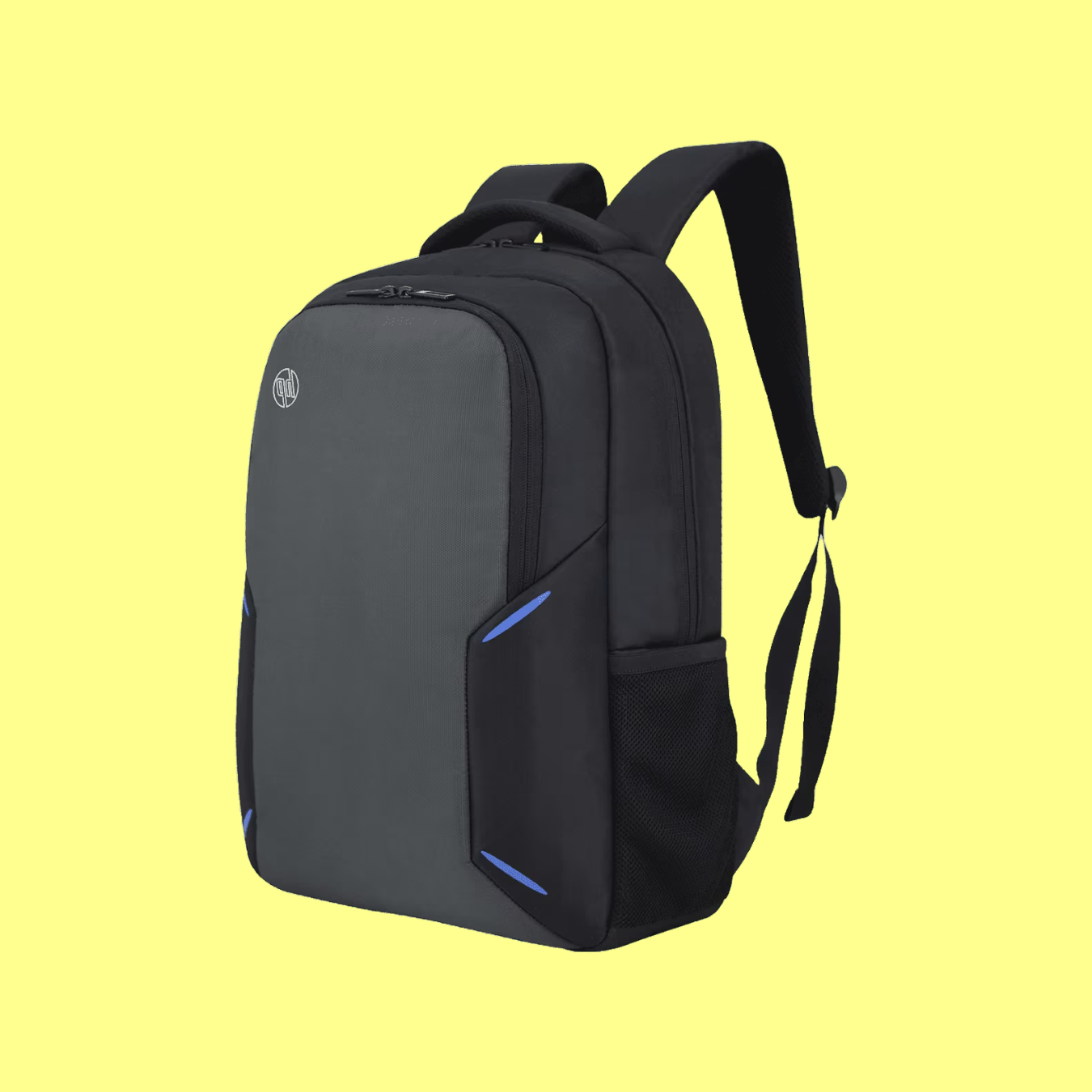 Laptop BagsPadded sleeves, messengers and briefcases for office and IT rollouts.View Products
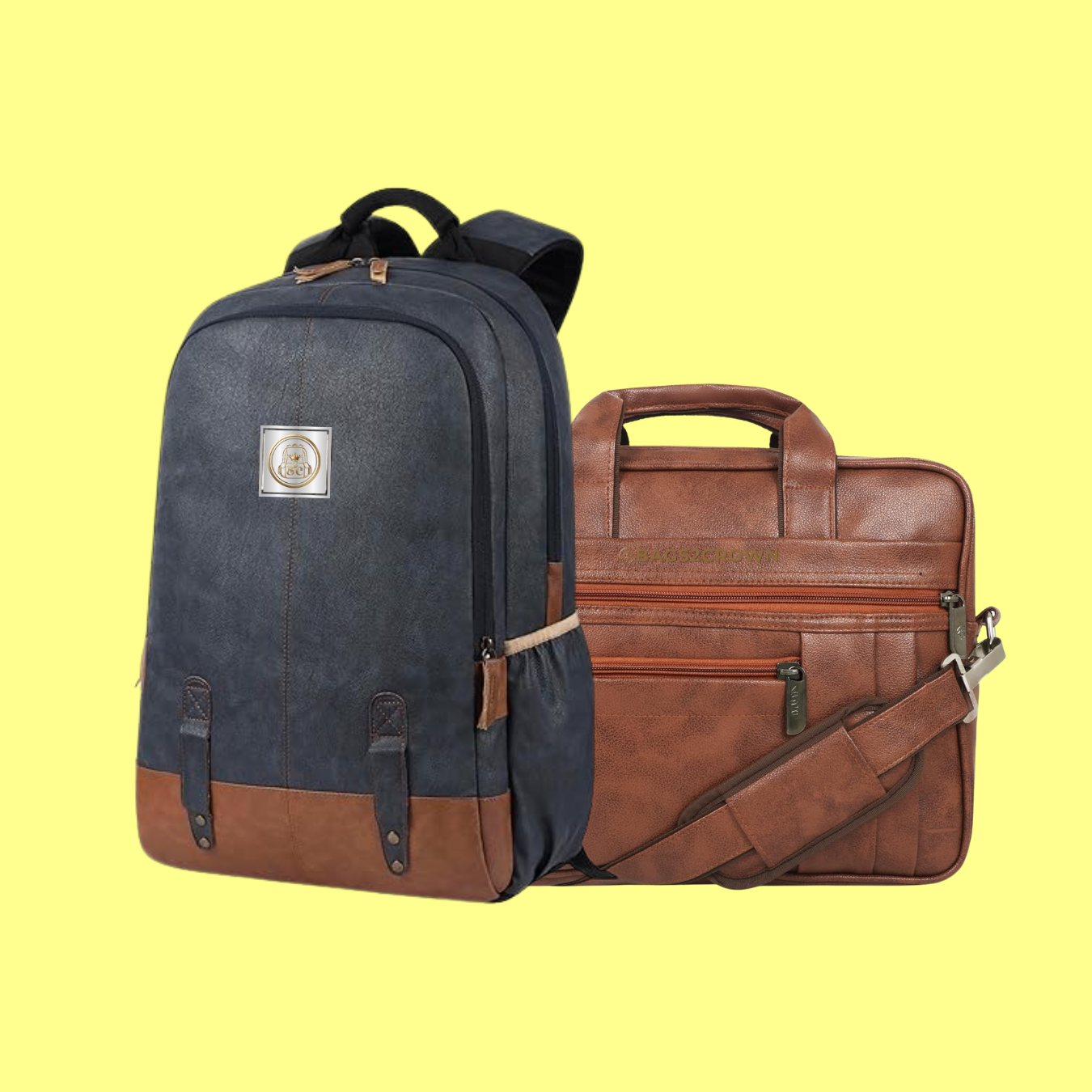 Office BagsProfessional portfolios and document bags for daily corporate use.View Products
 Leather BagsGenuine and PU leather bags with premium finish for gifting and export.View Products
 Duffle BagsGym, travel and weekender duffles built for repeat heavy use.View Products
 Trolley BagsWheeled cabin and check-in luggage in custom sizes and colours.View Products
 Travel BagsCabin-friendly travel bags for hotels, tour operators and corporate trips.View Products
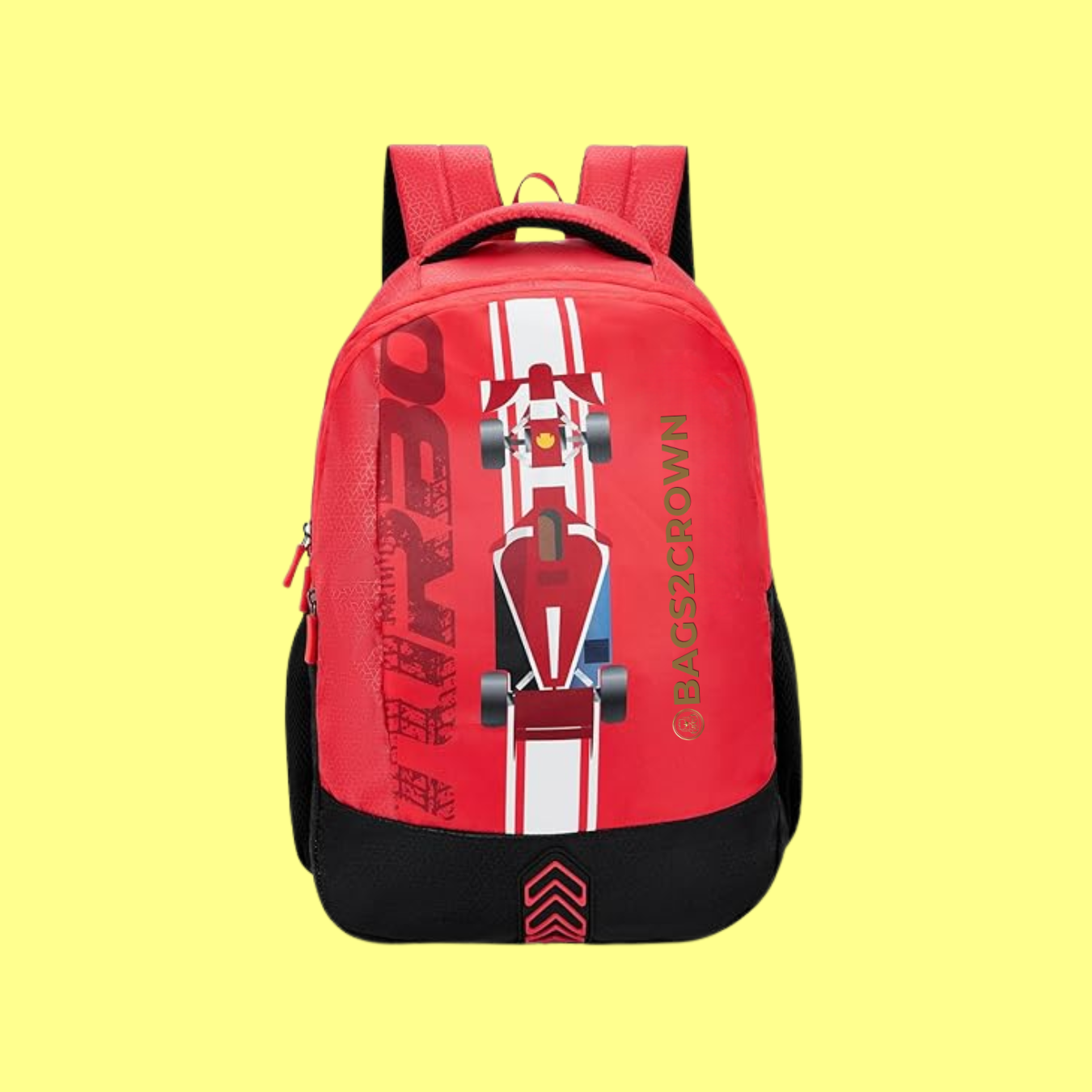 School BagsDurable school bags and stationery pouches supplied in bulk, on schedule.View Products
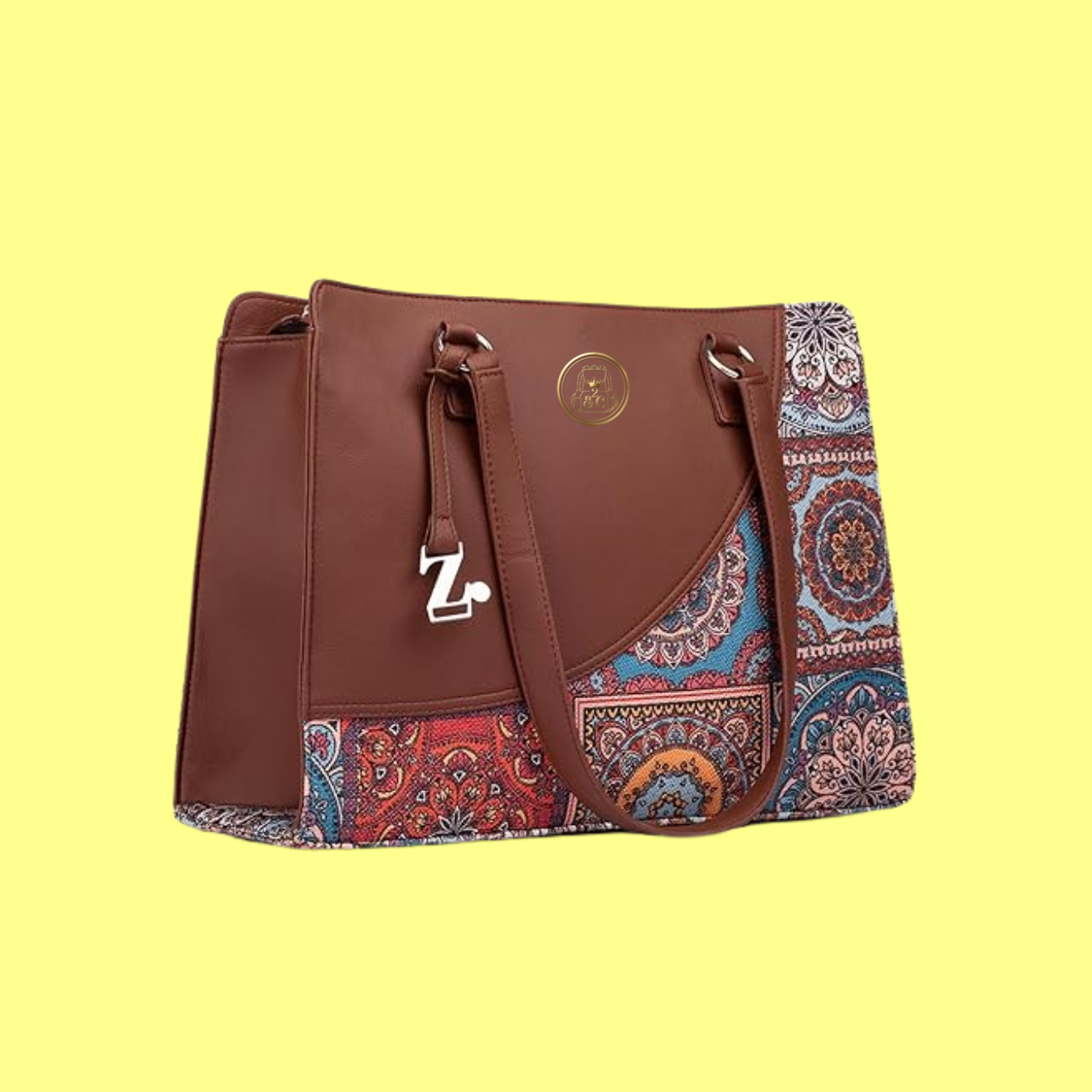 Ladies BagsHandbags, totes and slings in fabric, PU and leather finishes.View Products
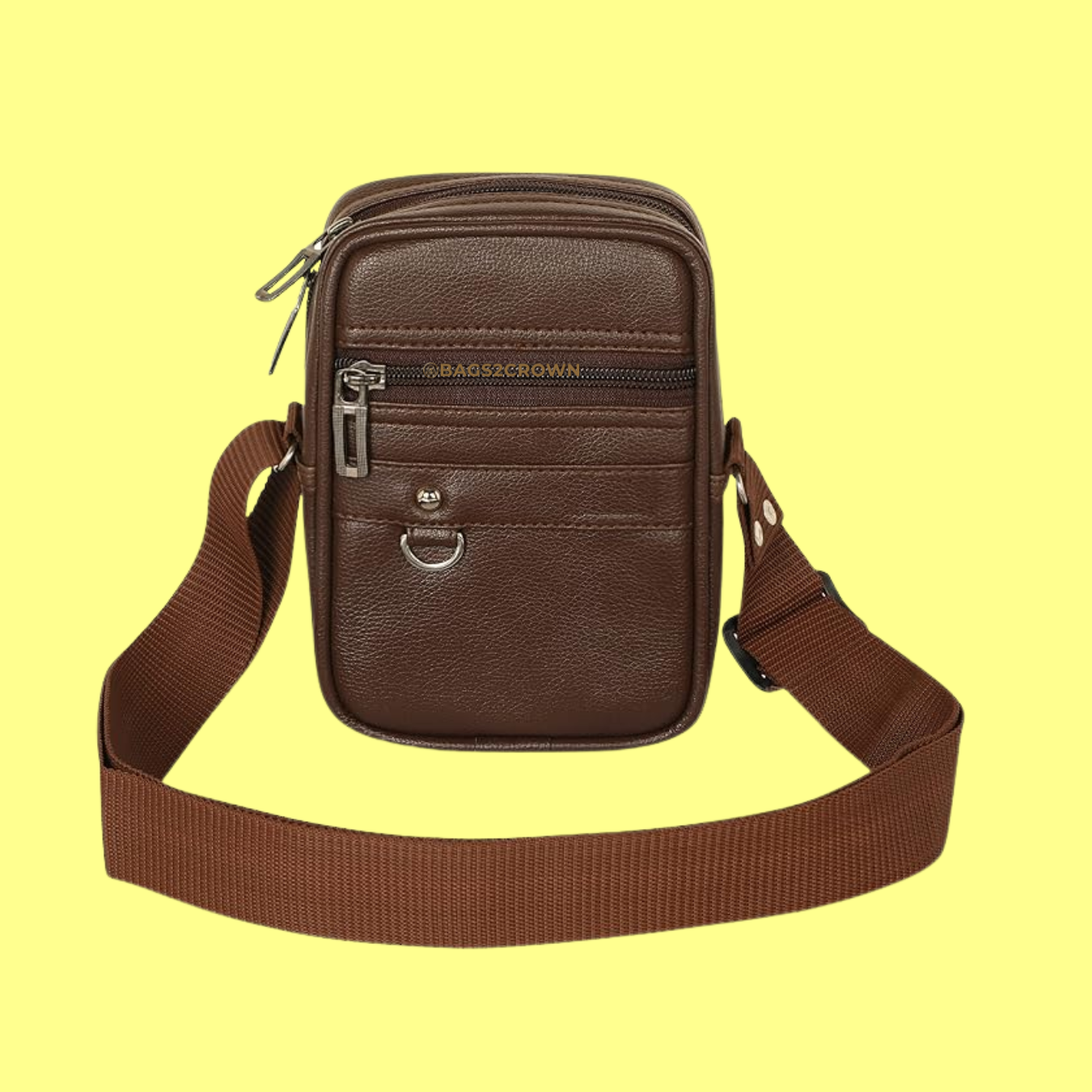 Sling & Crossbody BagsCompact everyday slings for promotions, retail and merchandise.View Products
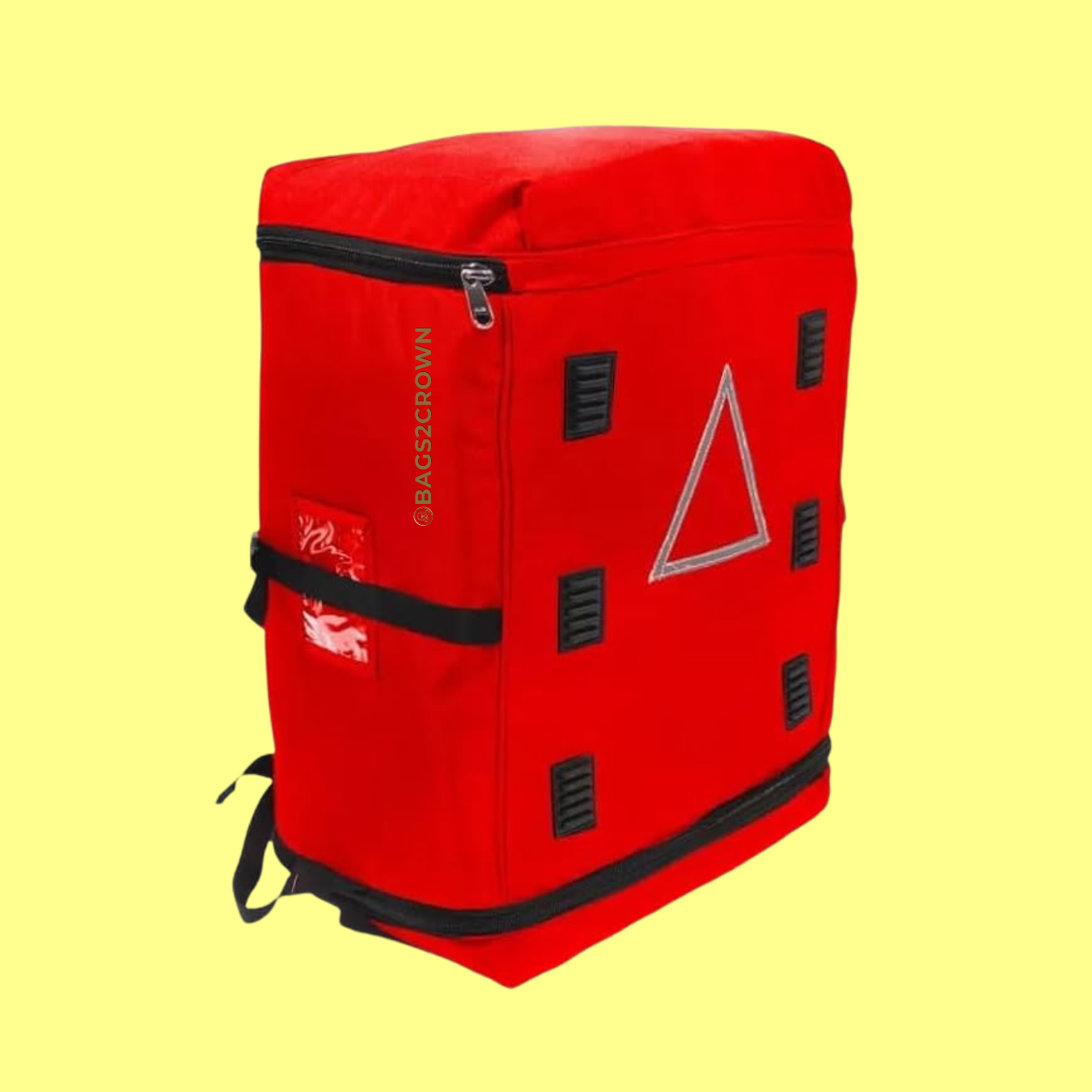 Delivery BagsInsulated last-mile delivery bags for food and e-commerce fleets.View Products
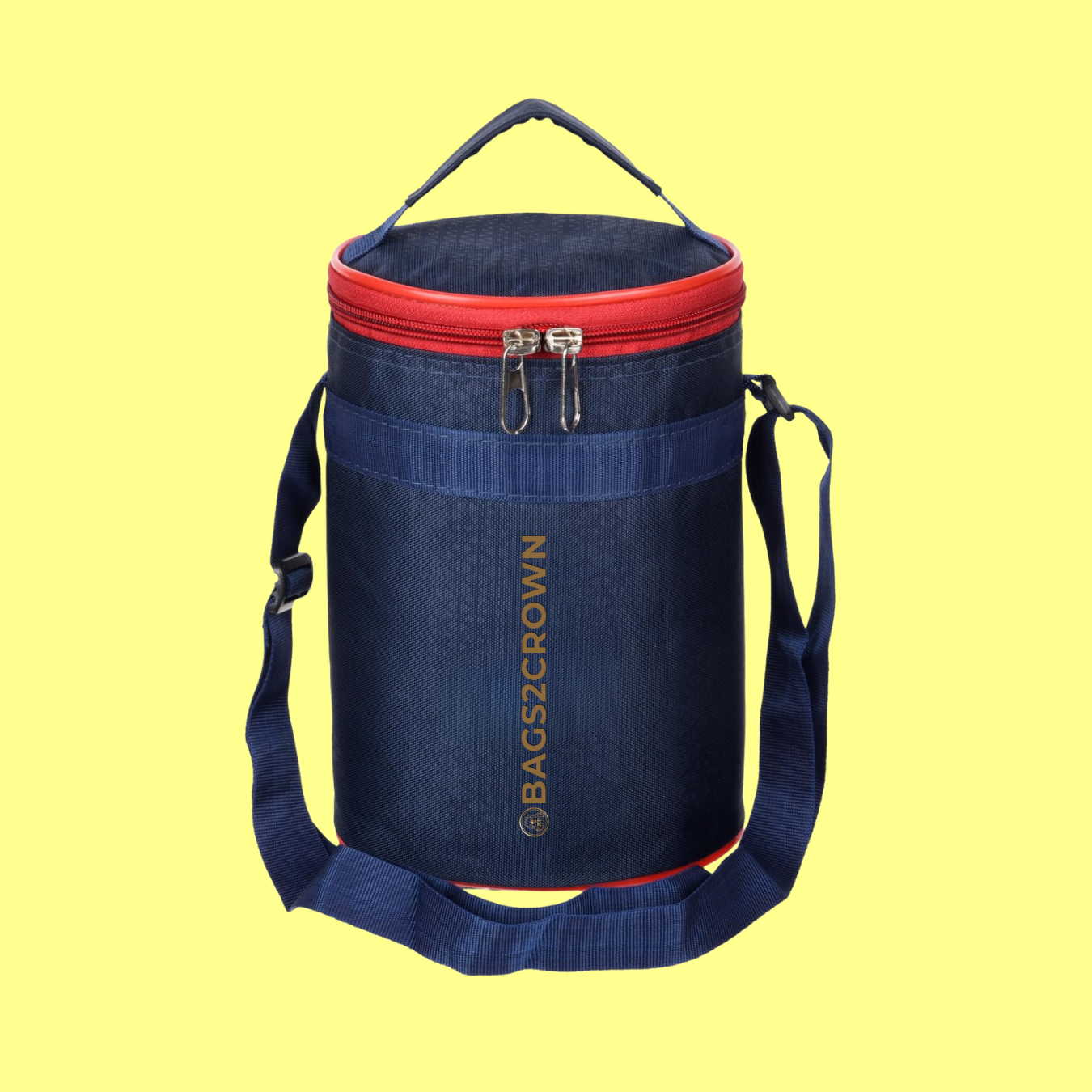 Tiffin & Insulated Lunch BagsThermal tiffin and lunch carriers for gifting and retail packs.View Products
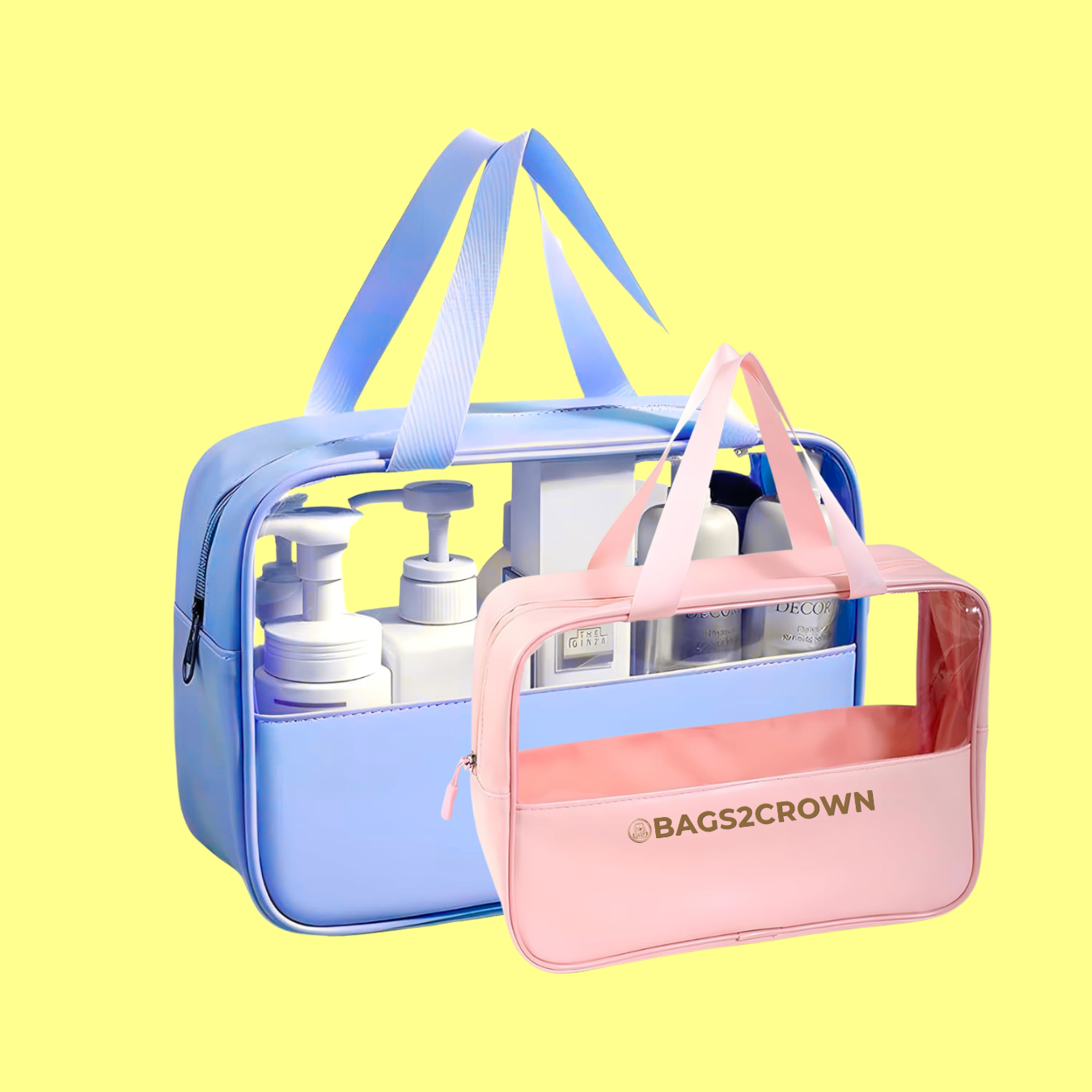 Cosmetic & Pouch BagsTravel pouches, kits and organisers for hampers and gift sets.View Products
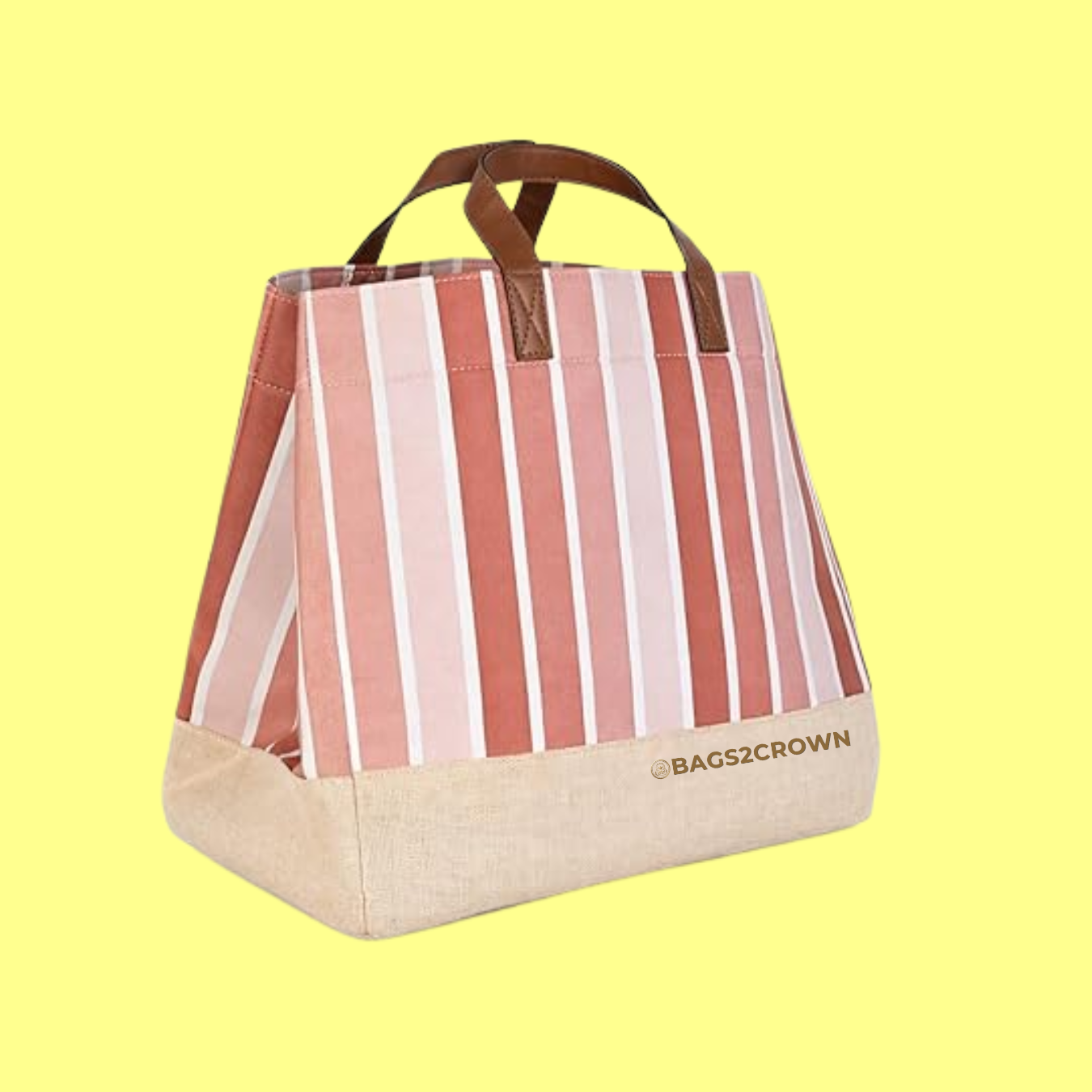 Jute BagsEco-friendly jute and cotton bags for events and sustainable branding.View Products
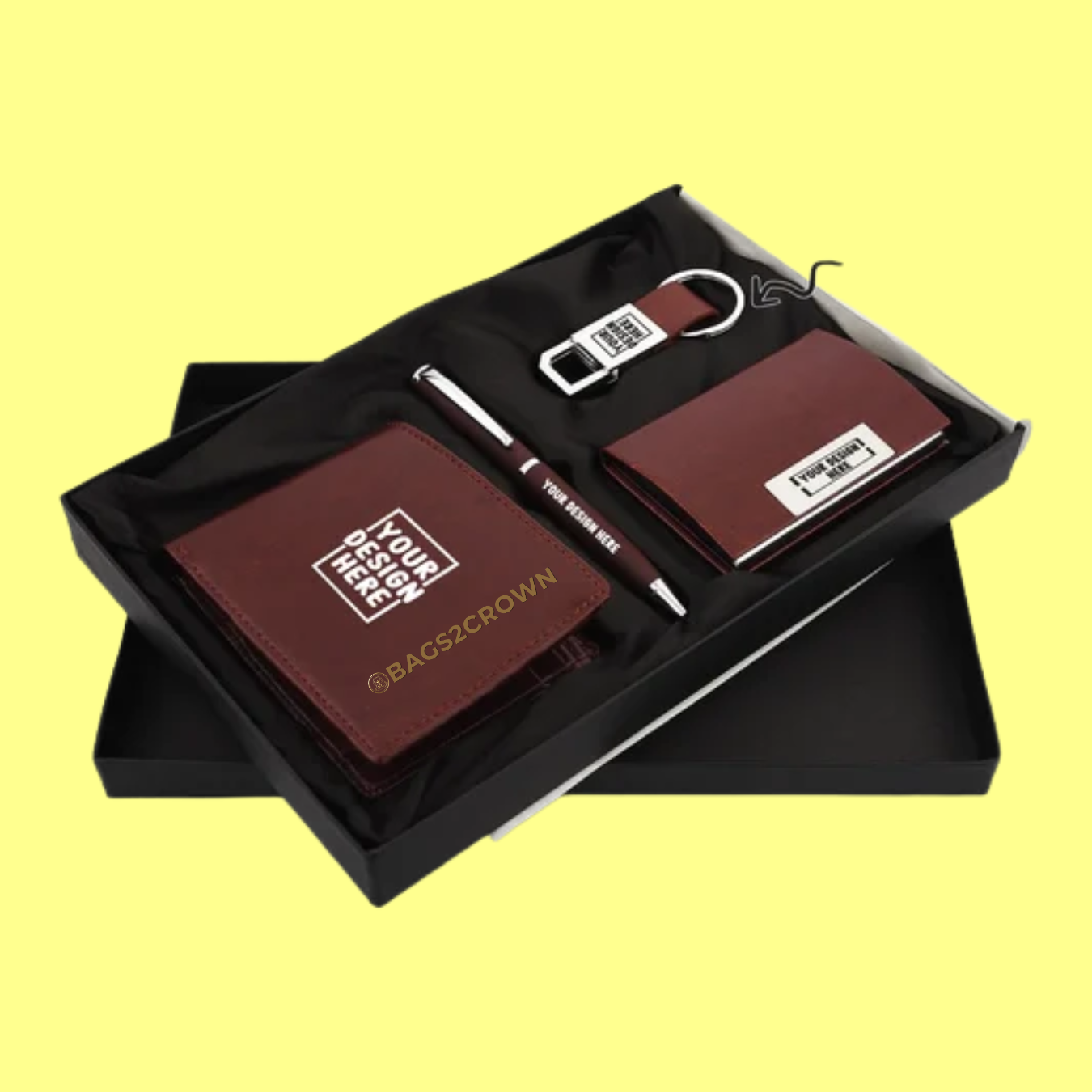 Corporate Gifts ItemsComplete branded gifting kits, assembled and packed to order.View Products