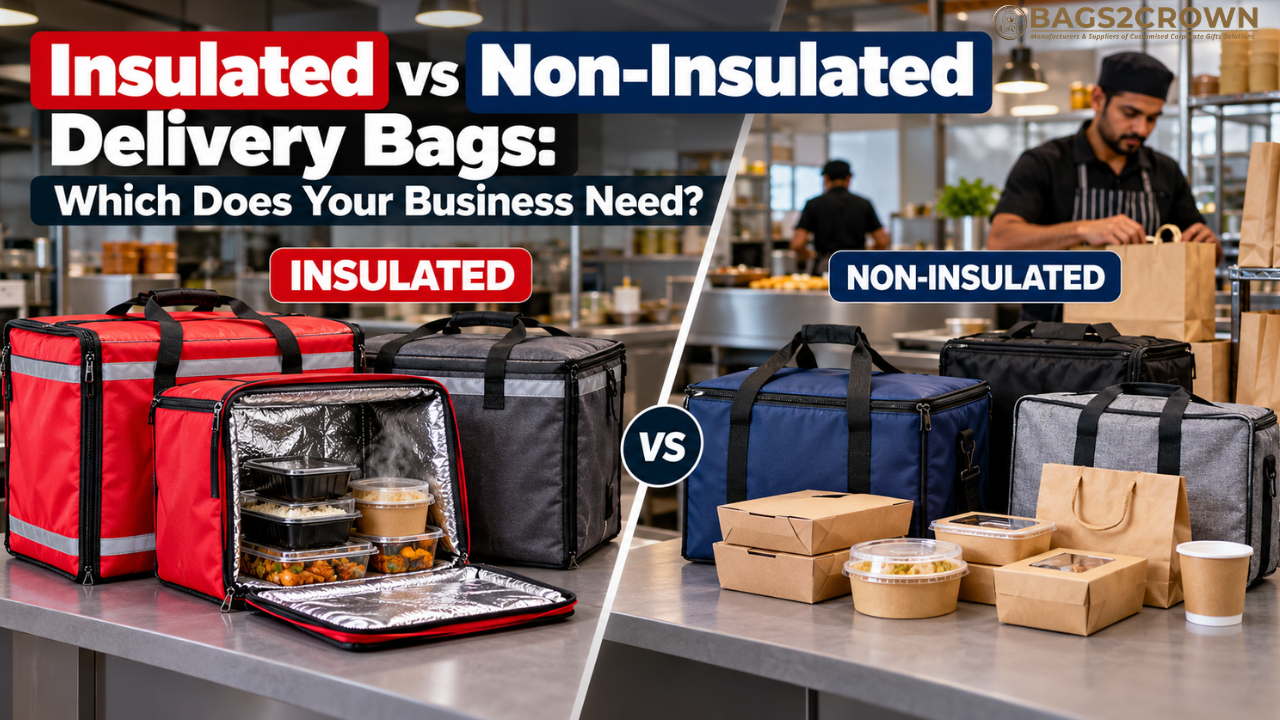
Choosing between insulated delivery bags and non-insulated ones comes down to one question: does what you carry need to stay hot or cold? Get it wrong one way and food arrives cold, leading to complaints and refunds. Get it wrong the other way and you pay for thermal layers a parcel never needed, in a bag that is heavier and bulkier than it has to be. Both types look similar from the outside, carry your logo just as well and are built in the same factory. The difference is inside the walls.
This guide compares the two side by side so you can match the bag to your goods, your routes and your budget. It is based on what restaurants, cloud kitchens, e-commerce sellers and logistics fleets order from us as a delivery bags manufacturer in Mumbai.
Insulated vs Non-Insulated Delivery Bags at a Glance
| Factor | Insulated | Non-insulated |
|---|
| Best for | Hot meals, pizza, desserts, frozen food, chilled drinks | Parcels, e-commerce orders, documents, dry goods |
| Wall build | Insulated foam walls with a foil-type reflective layer | Single or lined fabric shell, no thermal layer |
| Closure | Sealed closure to hold temperature | Secure closure for protection and security |
| Interior | Wipe-clean, food-safe thermal lining | Standard lining suited to the goods carried |
| Weight and bulk | Heavier and bulkier | Lighter, easier to fold and store |
| Cost | Higher, because of the thermal build | Lower for the same outer size |
| Branding | Same in-house methods on both | Same in-house methods on both |
What Insulated Delivery Bags Are Built For
Insulated delivery bags work like a portable thermal box. Their walls carry insulated foam with a foil-type reflective layer, the closure is sealed to stop warm or cold air escaping, and the interior uses a thermal lining that wipes clean. The level of insulation is matched to your route times, so a kitchen serving a tight radius and a caterer travelling across the city can be specified differently.
Formats in this family include insulated food delivery backpacks for two-wheeler riders, insulated pizza delivery bags that keep boxes flat, and ice-cream and frozen insulated bags for desserts and frozen goods. Tall beverage bags and top-loading tray bags are built on the same principle.
Because food touches or sits close to the lining, hygiene options matter: leak-resistant seams are optional, and a removable or fully wipeable liner can be specified so bags can be cleaned between shifts.
Choose insulated if you run a restaurant, cloud kitchen, caterer, bakery, dessert brand or a grocery service carrying chilled and frozen items.
What Non-Insulated Delivery Bags Are Built For
A non-insulated bag drops the thermal layer and focuses on strength, weather protection and space. It is the right tool when temperature does not affect the goods: a phone case, a book, a pharmacy refill in sealed packaging, legal documents or apparel.
The main formats are courier and e-commerce delivery bags, sized for parcels and cartons, and collapsible delivery bags that fold flat when empty. Outer shells in coated polyester, nylon or tarpaulin, with a PU-coated weatherproof finish and water-resistant seams, keep parcels dry through the monsoon. Without the foam walls, the bag is lighter for the rider and easier to stack and store at the hub.
Choose non-insulated if you run an e-commerce, courier, pharmacy, document or retail delivery operation.
Grocery and Mixed Loads: The Grey Area
Grocery is where many buyers get stuck, because one order can contain rice, detergent, milk and ice-cream. Grocery delivery bags can be built either way. If most of your baskets include dairy, frozen or fresh items, specify insulation. If chilled items are rare, a non-insulated grocery bag plus a small number of frozen bags for those orders often works out cheaper across the fleet.
The same logic applies to food brands that also send merchandise or dry hampers. You do not need every bag to be thermal. Split the fleet by what each route actually carries.
If you run several brands or services from one kitchen or hub, think about colour too. Insulated and non-insulated bags can be made in different body and trim colours, so packers and riders can tell them apart at a glance during the evening rush.
Cost, Weight and Lifespan Compared
Insulation adds material, labour and bulk, so insulated delivery bags cost more than non-insulated delivery bags of the same outer size. It is also heavier and takes more storage space. For food, that cost pays for itself in fewer cold-food complaints.
For parcels, the money is better spent on what wears out first: a tougher shell fabric, reinforced handles and straps, and a stronger base. In both types, a weatherproof shell and good seams decide how long the bag lasts on Indian roads. Factory-direct rates improve with volume, so fleets can ask for a slab-wise quote.
Branding Works the Same on Both
Your logo does not care what is inside the walls. Both types are branded in-house using screen printing, heat transfer, sublimation on polyester bodies, embroidery, woven labels and rubber or PVC patches. Reflective panels and trims add night-time visibility for riders, and body and trim colours can be matched to your shade card. A large, simple logo on the back panel reads best from a distance.
Cleaning and Care for Both Types
However good the build, a delivery bag only lasts if riders look after it. For food bags, wipe the lining at the end of every shift, leave the bag open to dry and keep a few spares so a damp bag is never sent back out. A removable liner, if you specify one, can be taken out and cleaned separately. For parcel bags, shake out sand and grit regularly and let a soaked bag dry fully before it is folded or stacked, especially in the monsoon.
Ask riders to report broken zips, torn straps and split seams early. Small repairs are cheap, while a bag that fails mid-route can ruin an order. Keep your approved sample as the reference for re-orders, so every new batch of custom delivery bags can be matched to it in size, colour and branding.
Which Should You Choose?
- Restaurants and cloud kitchens: insulated, sized to your largest typical order.
- Pizza outlets: insulated pizza bags that keep boxes level.
- Dessert, ice-cream and frozen food brands: insulated frozen bags.
- Grocery services: insulated if most baskets include chilled items, otherwise a mixed fleet.
- E-commerce, courier and pharmacy: non-insulated, with a weatherproof shell.
- Not sure: order samples of both and run them on your real routes for a week.
Whichever you pick, approve a branded pre-production sample first. For temperature-sensitive goods, test it on your longest route with a real order. The sample cost is adjusted against your confirmed order.
Ordering from BAGS2CROWN
BAGS2CROWN has manufactured bags in Mumbai since 1989, with our office in Sion (W) and production in the Dharavi cluster. We build both insulated and non-insulated delivery bags in-house, with no fixed minimum order quantity and bulk production of about 7–10 days after sample approval. We deliver across Mumbai, Thane, Navi Mumbai and Maharashtra, and ship pan-India. For staff meal carriers, see our tiffin and insulated lunch bags; for rider kits, explore custom backpacks and duffle bags.
Need a recommendation? Tell us what you deliver, your route times, quantity and delivery city on WhatsApp, call +91 93244 31717 or email kasif@bags2crown.com. You can also view our full range of delivery bags.


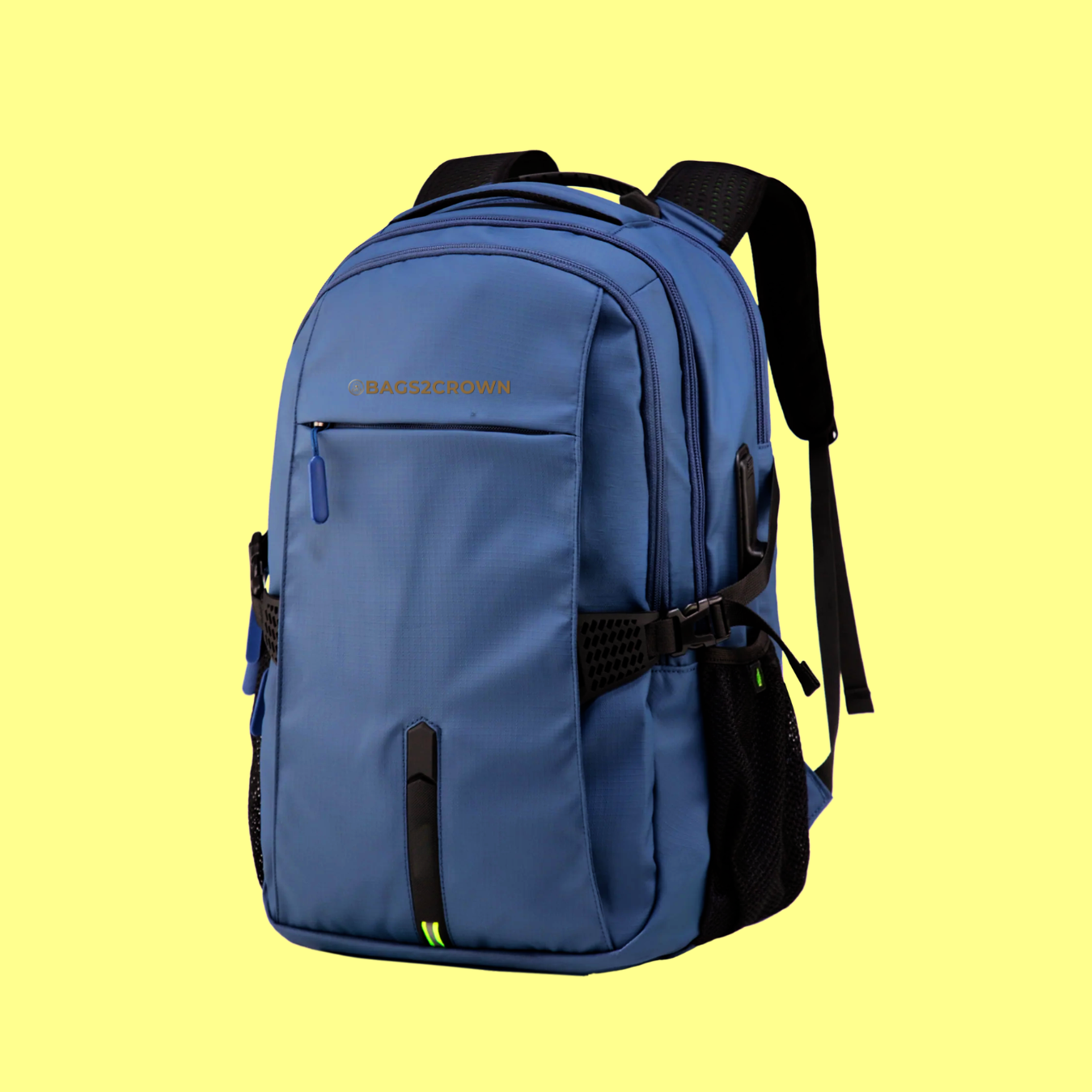 BackpacksCorporate, laptop and campus backpacks in bulk, branded with your logo.View Products
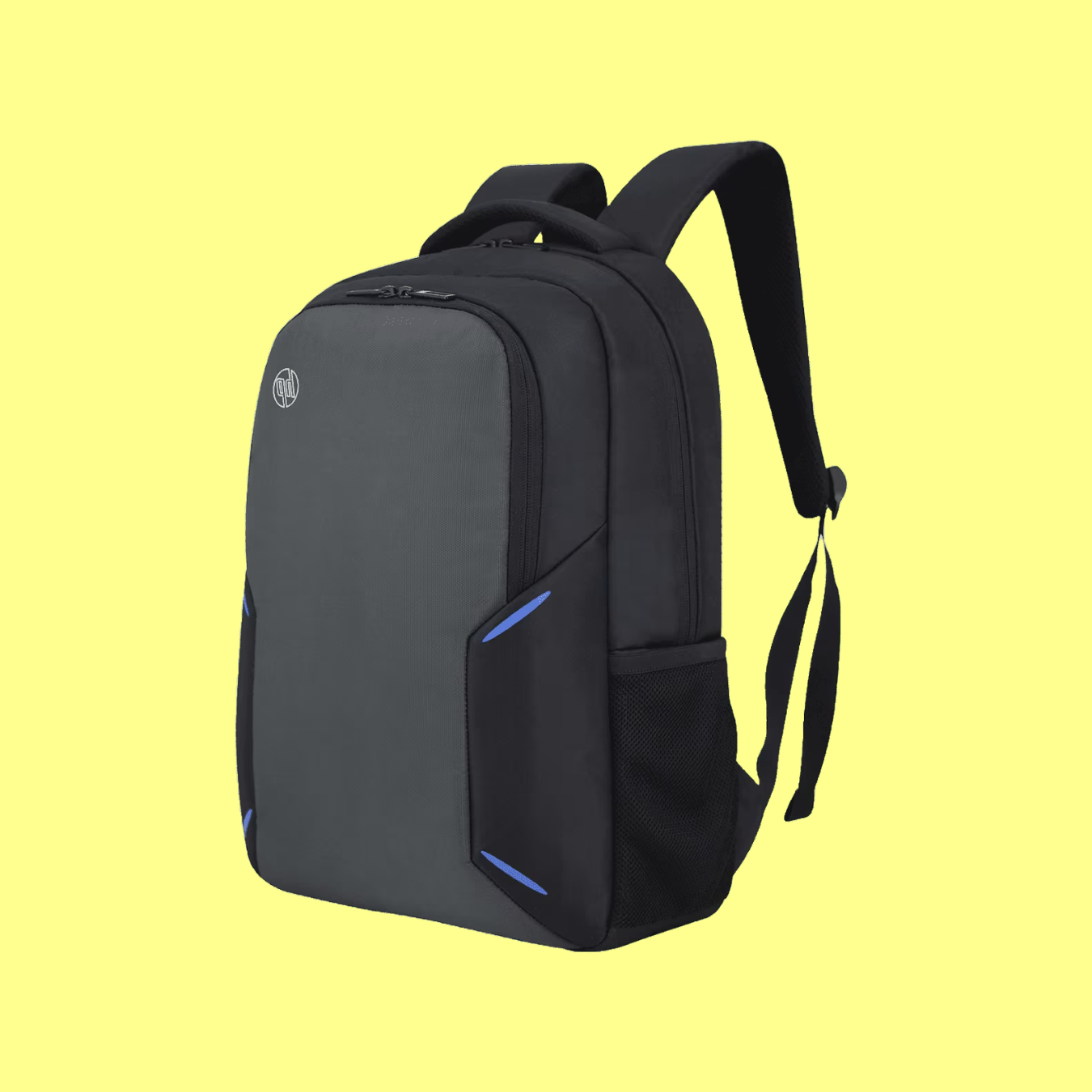 Laptop BagsPadded sleeves, messengers and briefcases for office and IT rollouts.View Products
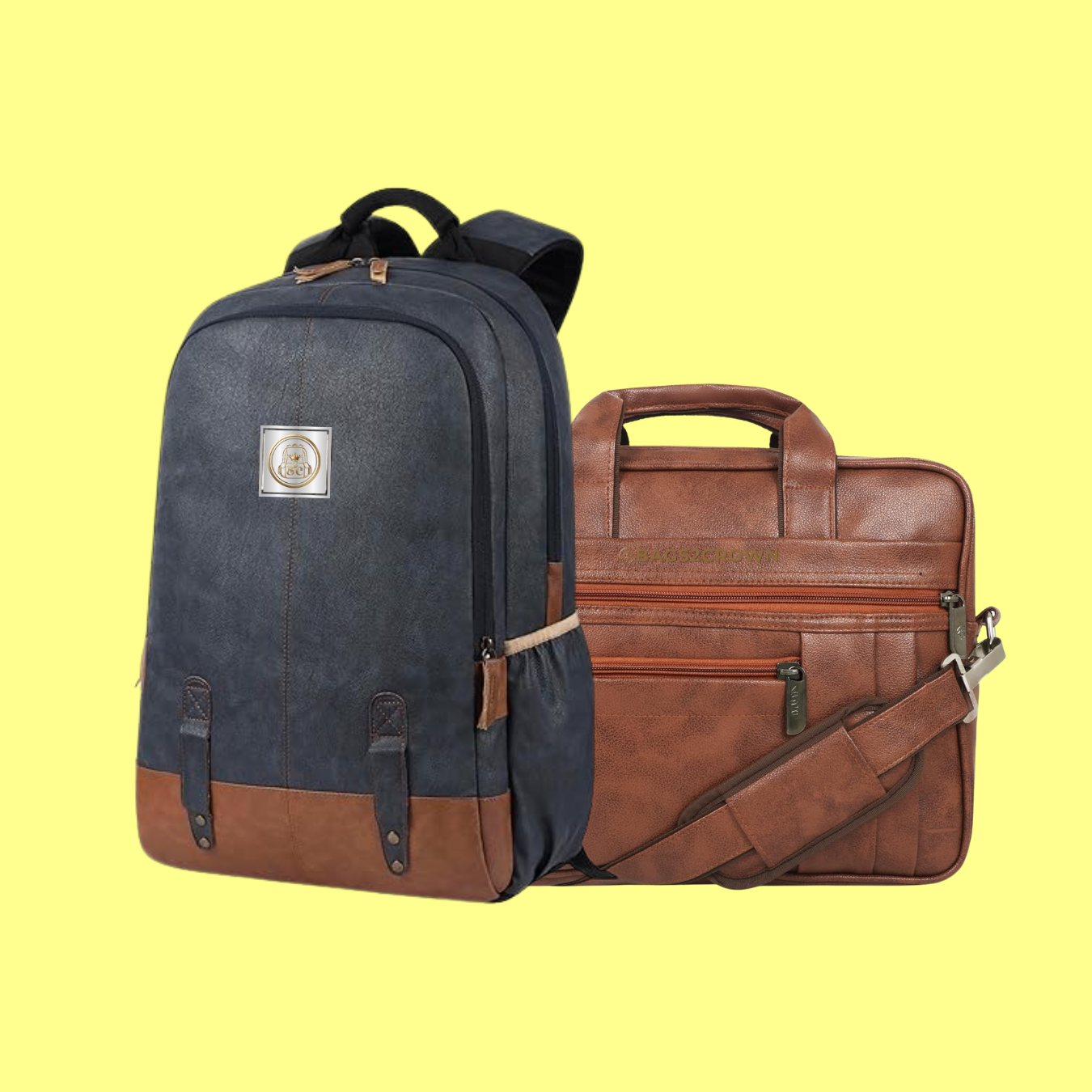 Office BagsProfessional portfolios and document bags for daily corporate use.View Products
 Leather BagsGenuine and PU leather bags with premium finish for gifting and export.View Products
 Duffle BagsGym, travel and weekender duffles built for repeat heavy use.View Products
 Trolley BagsWheeled cabin and check-in luggage in custom sizes and colours.View Products
 Travel BagsCabin-friendly travel bags for hotels, tour operators and corporate trips.View Products
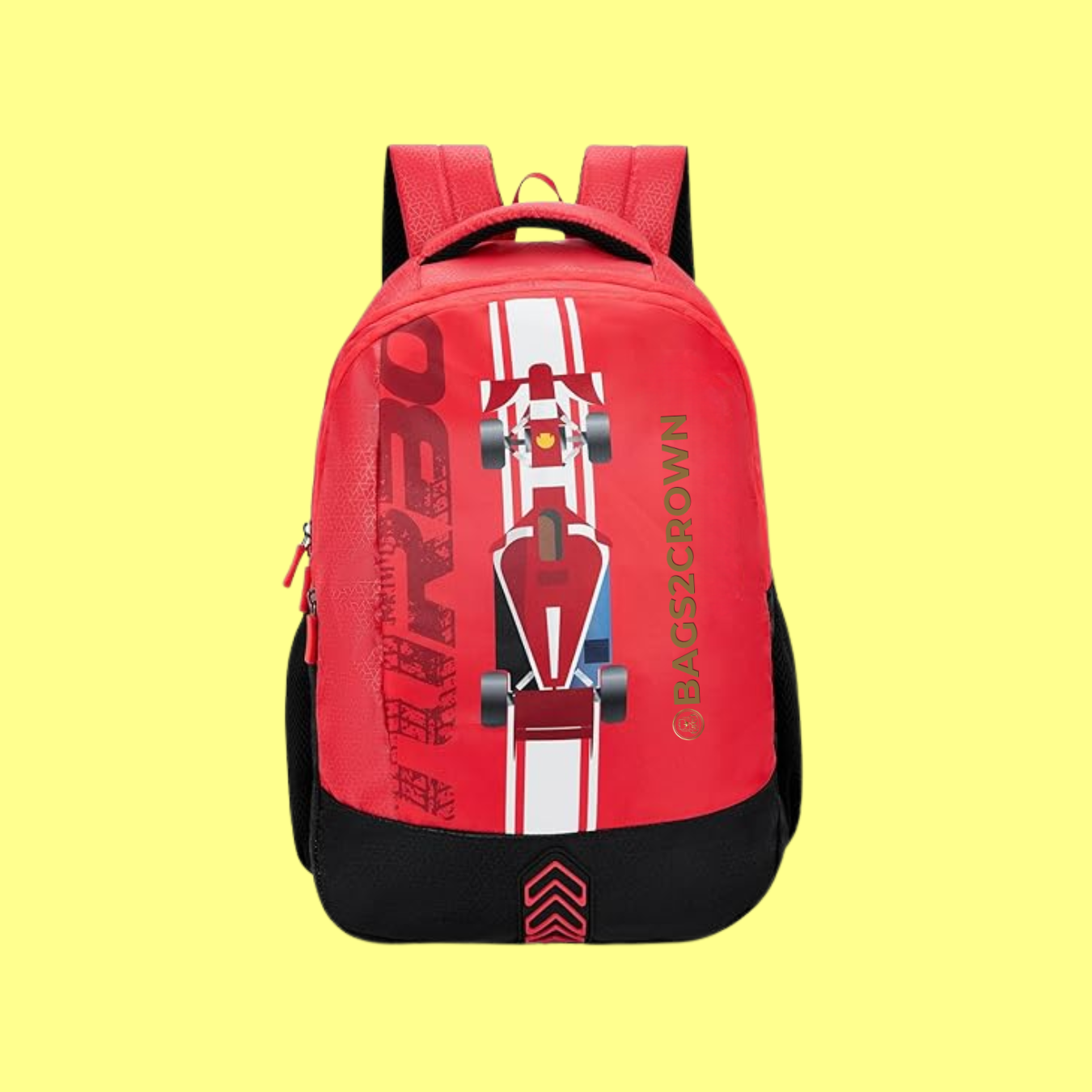 School BagsDurable school bags and stationery pouches supplied in bulk, on schedule.View Products
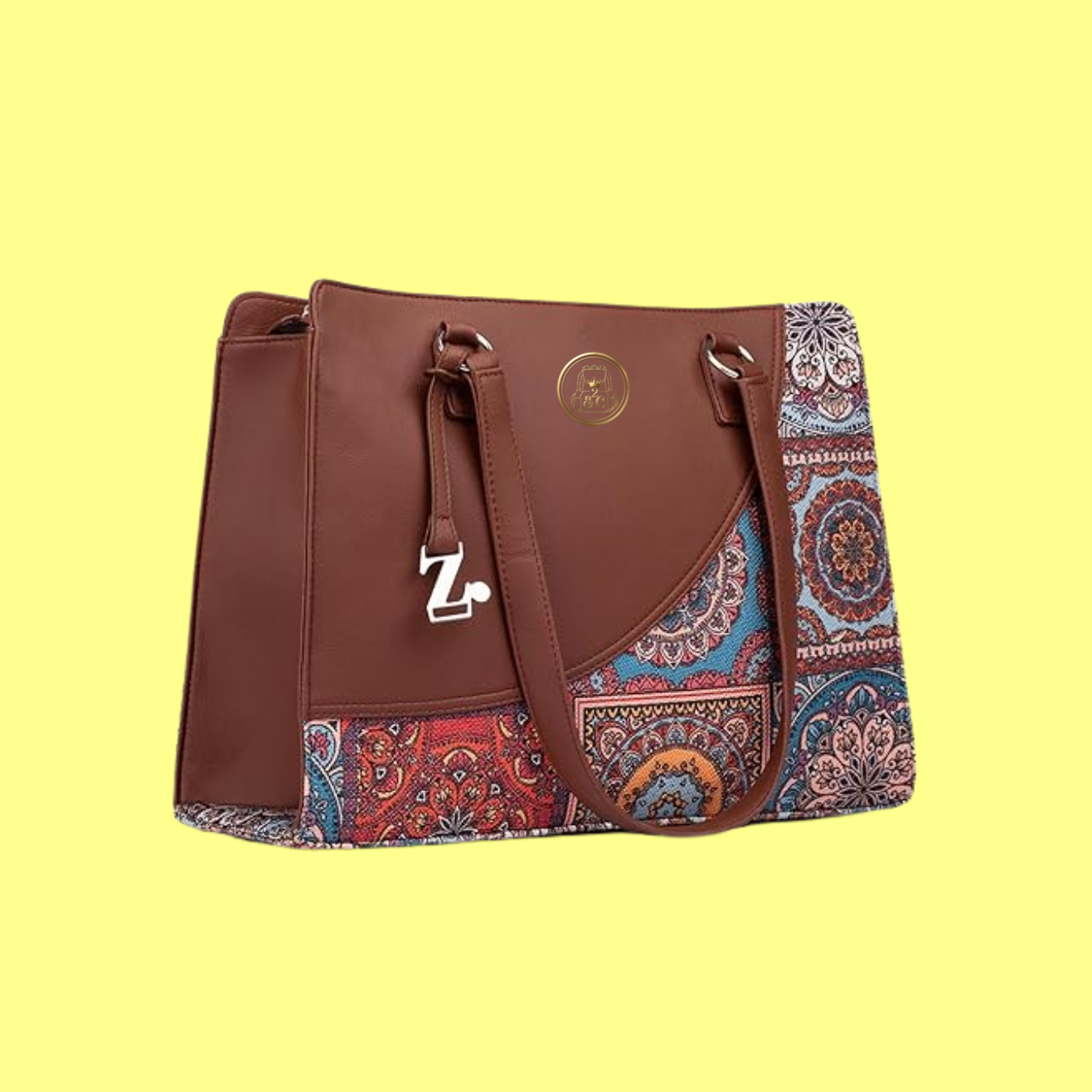 Ladies BagsHandbags, totes and slings in fabric, PU and leather finishes.View Products
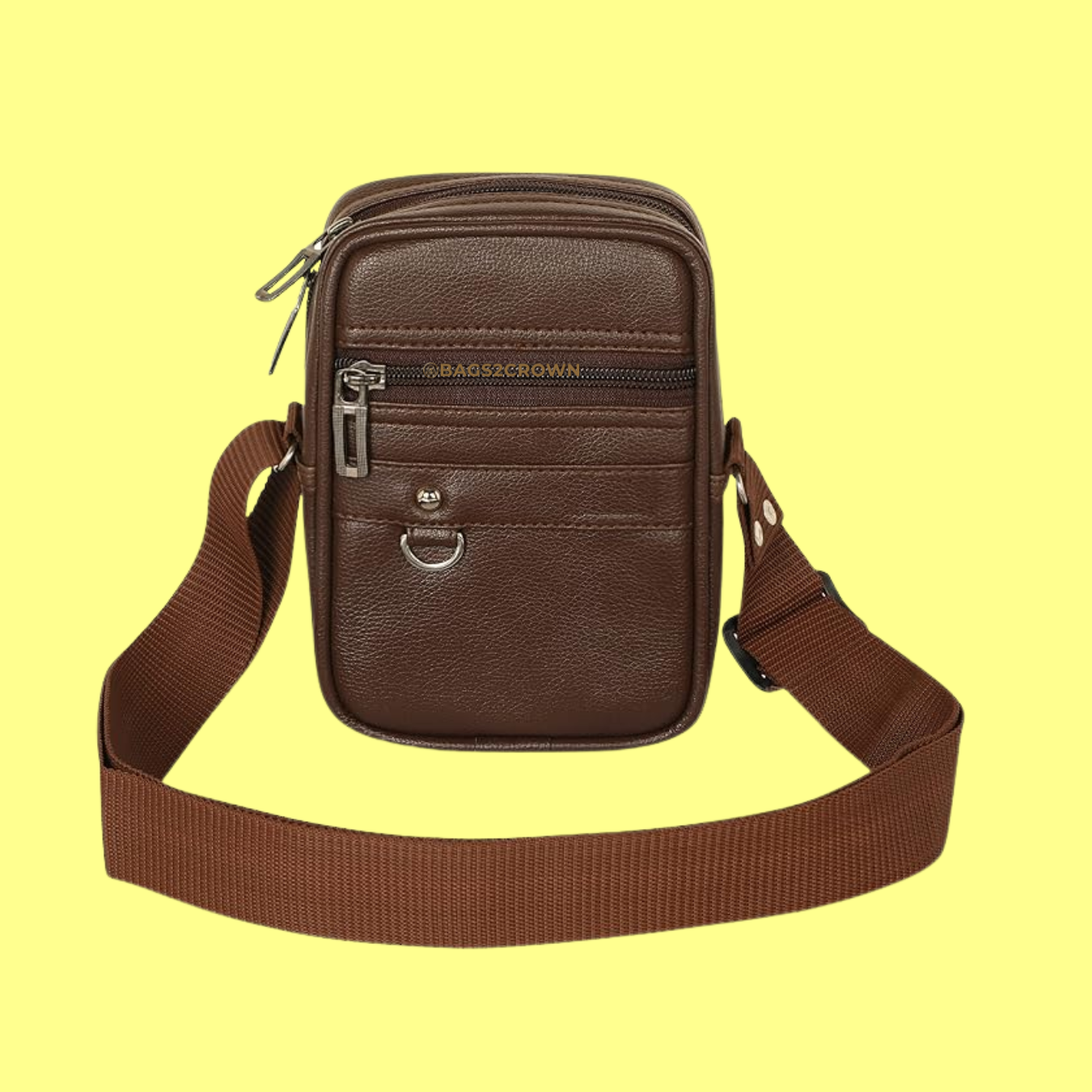 Sling & Crossbody BagsCompact everyday slings for promotions, retail and merchandise.View Products
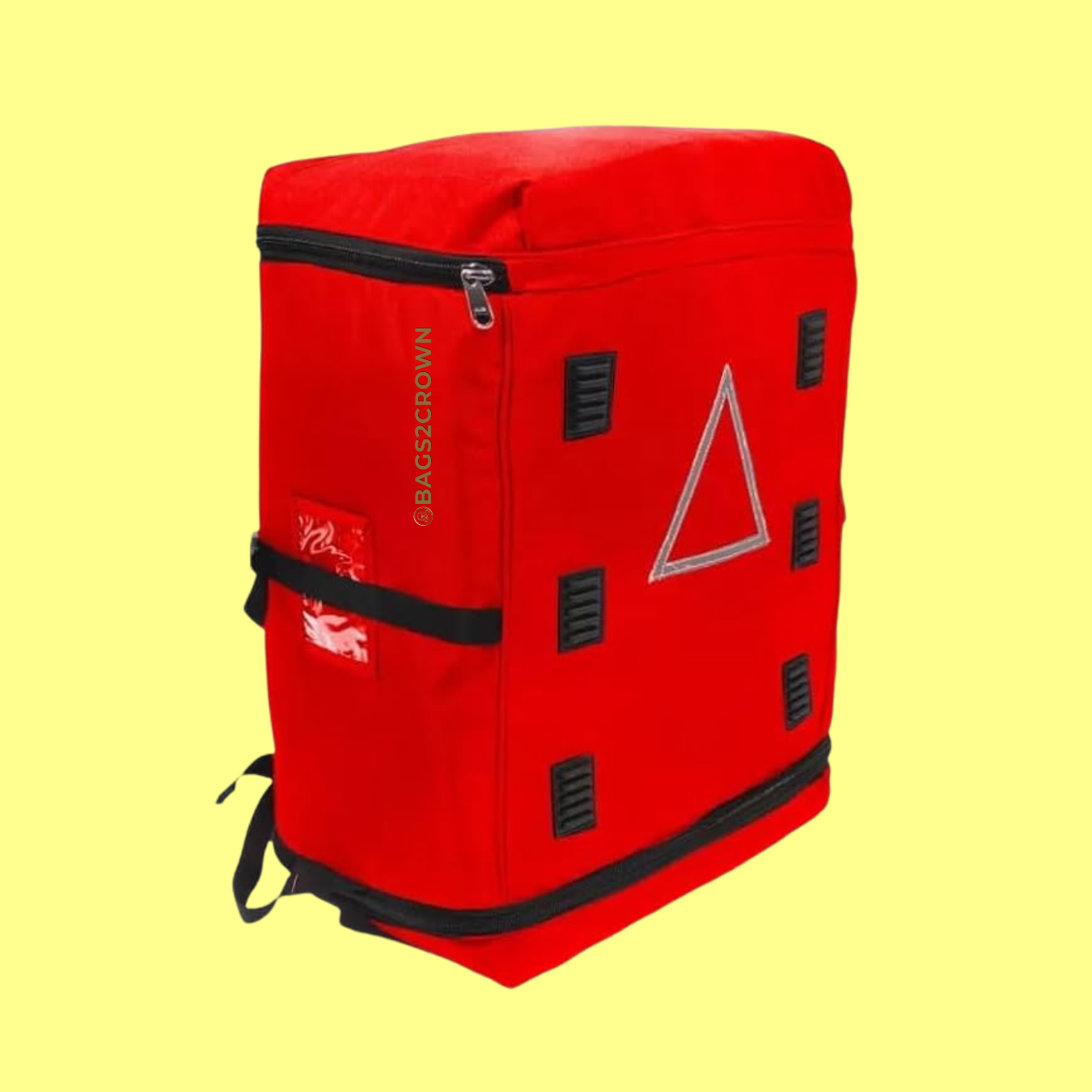 Delivery BagsInsulated last-mile delivery bags for food and e-commerce fleets.View Products
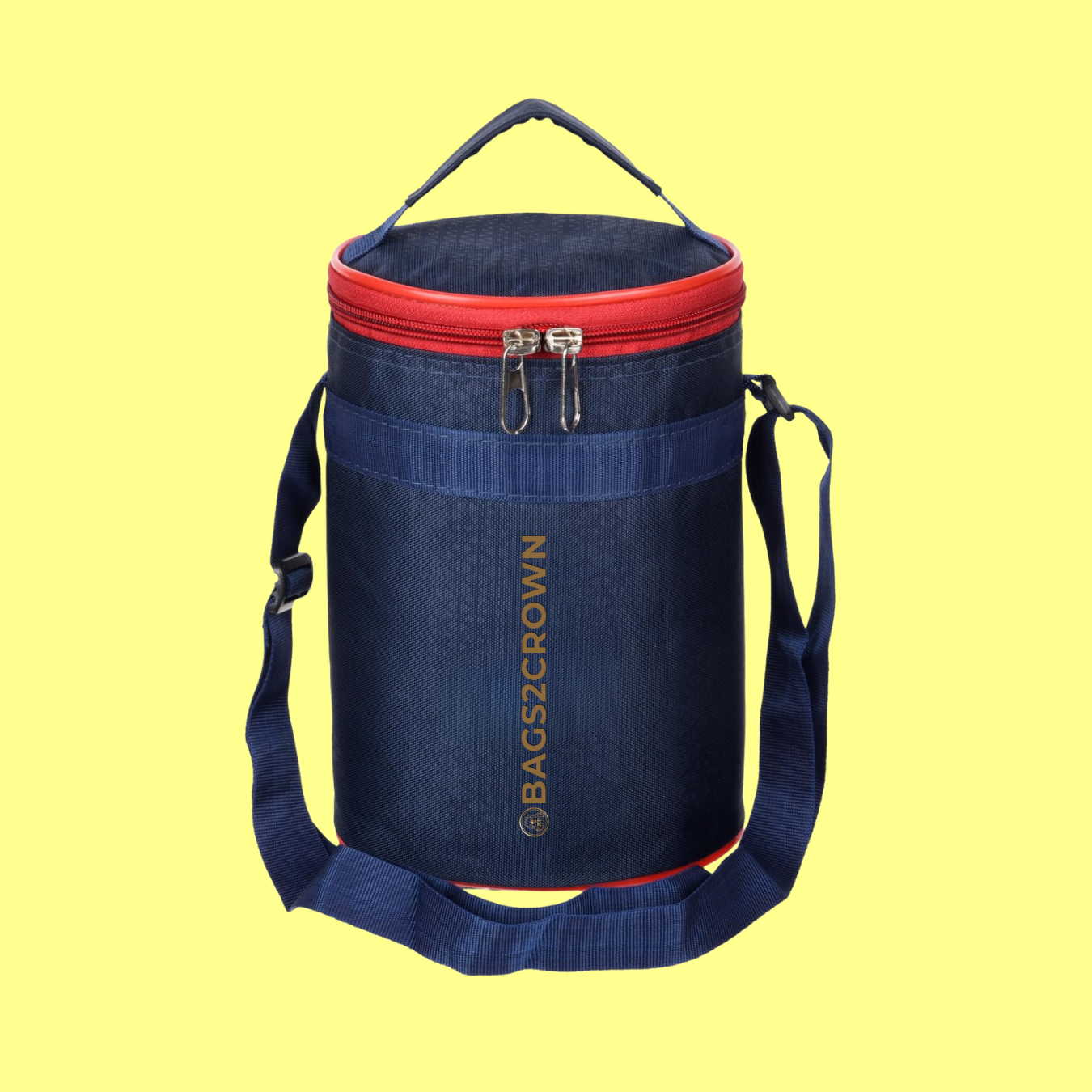 Tiffin & Insulated Lunch BagsThermal tiffin and lunch carriers for gifting and retail packs.View Products
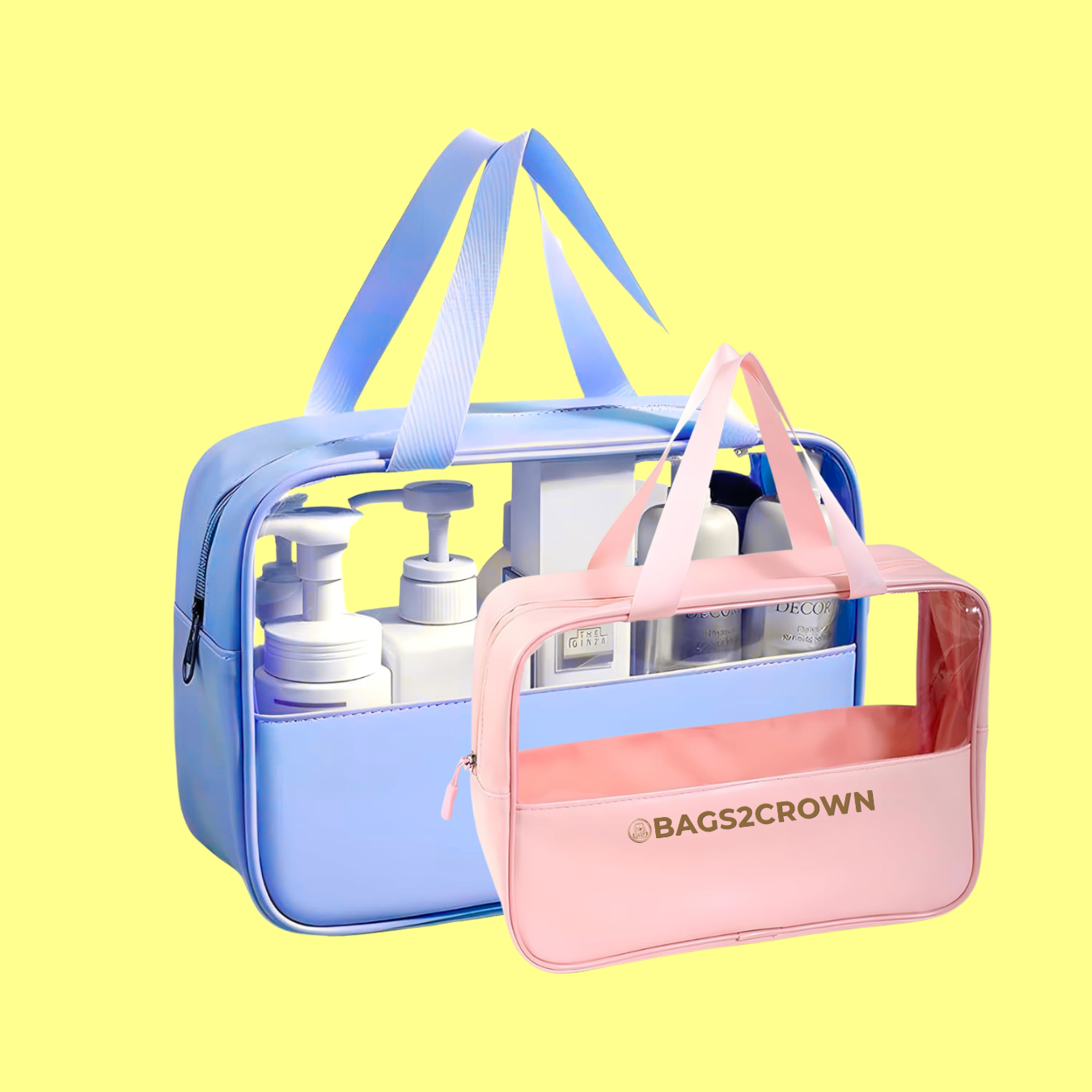 Cosmetic & Pouch BagsTravel pouches, kits and organisers for hampers and gift sets.View Products
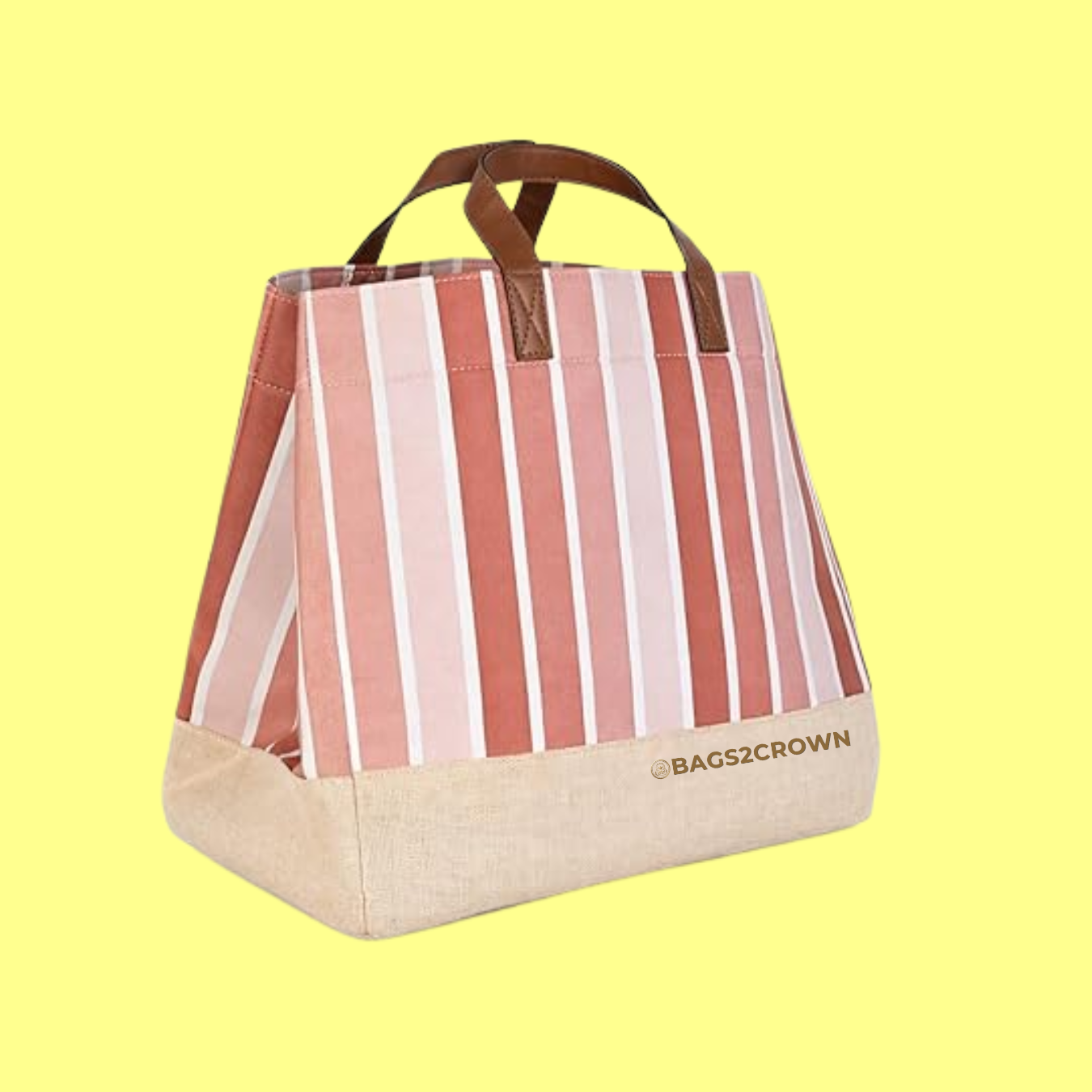 Jute BagsEco-friendly jute and cotton bags for events and sustainable branding.View Products
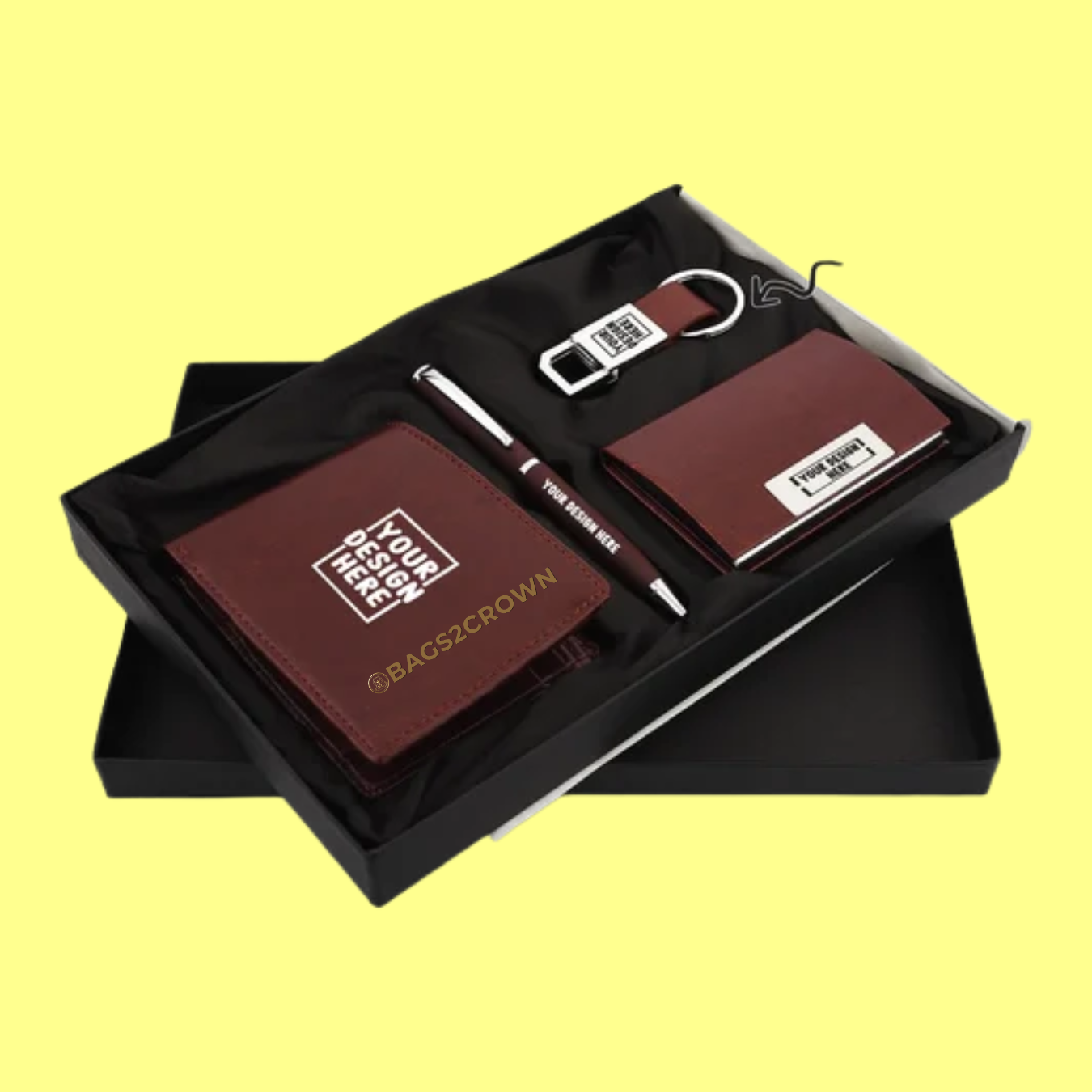 Corporate Gifts ItemsComplete branded gifting kits, assembled and packed to order.View Products