School bag materials decide how long a bag survives the school year, how much it adds to a child’s load, how it copes with the monsoon and how well your school logo holds up. Polyester and nylon are the two fabrics most school bags in India are made from, and water-resistant coatings or rain covers add weather protection on top. Each choice changes durability, comfort, branding options and cost.
This guide compares the main school bag materials so schools, distributors and CSR teams can specify the right fabric before they ask for quotes. It draws on how we build custom school bags as a school bag manufacturer in Mumbai since 1989.
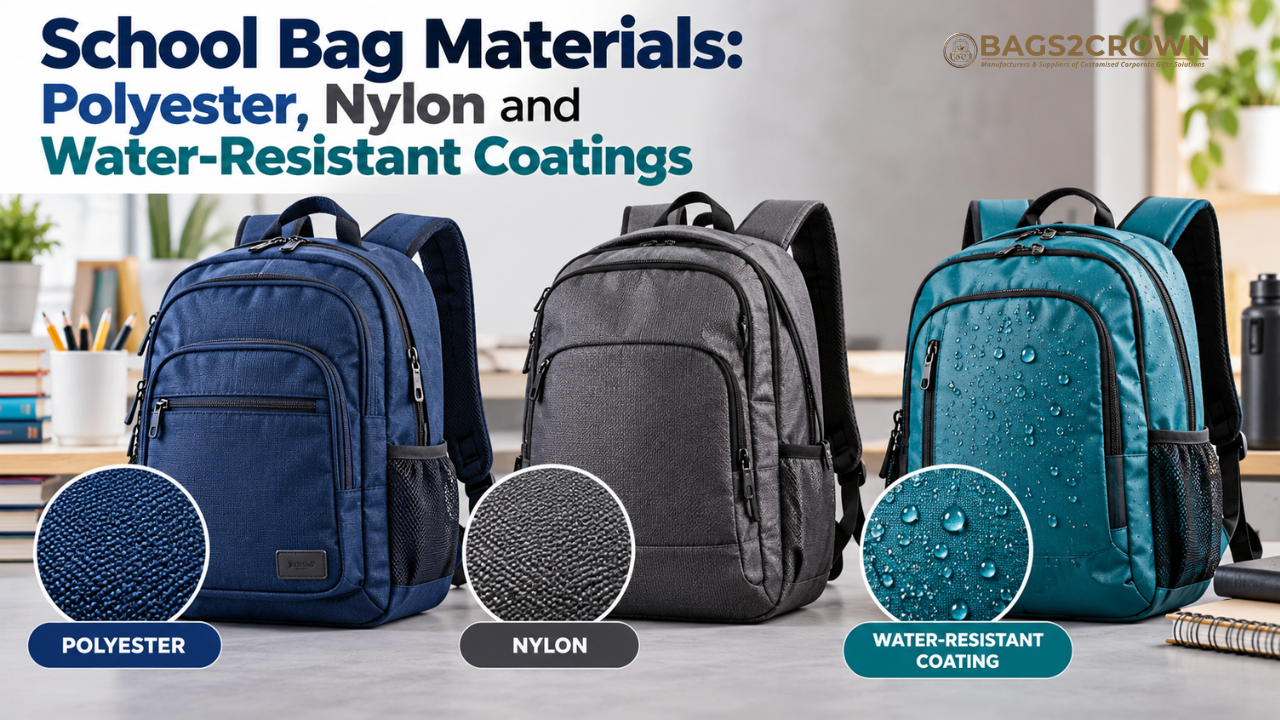
School Bag Materials Compared at a Glance
| Option | Strengths | Watch-outs | Best suited to |
|---|
| Polyester (600D–1200D) | Strong for its weight, holds colour well, most economical in volume, takes every branding method including sublimation | Lighter fabric shows wear sooner at the base and corners | Most class-wise and bulk orders, printed and colourful designs |
| Nylon, including waterproof nylon | Smooth finish, good abrasion resistance, sheds water well | Usually costs more than polyester; no sublimation printing | Monsoon-heavy or long commutes, senior classes, premium school bags |
| Water-resistant coating | Slows water soaking through the fabric | Does not seal zips or stitched seams; quality varies | Any bag that will see rain |
| Rain cover | Covers the whole bag, including zips and seams | Students have to carry it and use it | Monsoon months, long walks to school |
In practice, most orders combine one fabric with one form of weather protection. The sections below explain each option and when it makes sense.
Understanding Denier in School Bag Materials
Denier, written as “D”, measures the thickness of the yarn used to weave a fabric. A higher denier means thicker yarn, which generally gives better abrasion resistance but adds weight and cost. Our school bags use polyester from 600D to 1200D:
- The lighter end of the range suits primary bags and light daily loads, where keeping the empty bag light matters most.
- The heavier end of the range suits senior classes, heavy daily loads and long commutes.
- Denier is not the whole story: weave, coating and stitching matter as much. A well-made 600D bag can outlast a badly stitched heavier one.
When you compare quotes, make sure every supplier states the denier for the body and the base. Otherwise the cheapest quote may simply be the thinnest fabric.
Polyester School Bags
Polyester is the workhorse among school bag materials. It is strong for its weight, resists stretching, holds dyed colour well and is the most economical fabric for large class-wise orders. That makes it the default for most schools, distributors and programme buyers.
Polyester is also the only body fabric that takes sublimation printing, which allows full-colour, edge-to-edge designs. That is why it is used for printed bags such as our girls’ printed school bags and nursery designs. It takes screen printing, embroidery, heat transfer and woven labels just as well.
Choose polyester when you need good durability at a sensible price, want bright or printed designs, or are buying in large volumes. Specify the denier and ask for a water-resistant coating if the bags will be used through the monsoon.
Nylon School Bags
Nylon has a smoother, slightly lustrous finish and good abrasion resistance. It sheds water well, which is why waterproof nylon is a popular choice for students who walk or travel long distances in the rain.
The trade-offs are cost and branding. Nylon usually costs more than polyester, and sublimation printing is not possible on it. Screen printing, embroidery, heat transfer and woven labels all work, so a school crest or name is easy to apply.
Choose nylon when weather resistance and a premium look matter more than the lowest unit price, for example for senior classes, monsoon-prone areas or schools that want a smarter bag for older students.
Water-Resistant Coatings and Rain Covers
Water resistance in a school bag comes from three things: the fabric, any coating applied to it, and the way the bag is put together. A coating on the back of the fabric, such as a PU or PVC layer, slows water from soaking through. It does not stop water entering through zips, stitch holes and seams, which is why a coated bag is water-resistant rather than fully waterproof.
- Ask which coating is used and see it on the pre-production sample.
- Check zips and seams on the sample, because that is where water usually gets in.
- Add a rain cover for monsoon-heavy routes. It covers the whole bag, including the zips, and folds into its own pocket when not in use.
For schools in heavy-rain regions, our waterproof school bags with rain cover combine a water-resistant body with a full cover, which is the most reliable way to keep books dry.
Beyond the Fabric: Stitching, Straps and Trims
The best fabric still fails if the construction is weak. When you review a sample, look at:
- Strap joints: reinforced and bar-tacked, since straps carry the full load every day.
- Stitching: reinforced at stress points such as the base, handle and strap anchors.
- Comfort: padded ergonomic shoulder straps and a supportive back panel for even weight distribution.
- Trims and hardware: zips, buckles and webbing to suit the load.
- Visibility: reflective piping, tape or panels for early-morning and evening commutes.
You can also specify drop, snatch and load-bearing test parameters at enquiry, so the sample is tested against them before bulk production.
Colour, Lining and the Inside of the Bag
Material choice is not only about the outer shell. A few smaller decisions affect how the bag looks after a year of daily use:
- Colour: darker body colours such as navy, maroon or bottle green hide everyday dirt better than light shades. If your uniform uses a light colour, consider it for trims and piping rather than the whole body.
- Colour matching: share a shade card or a uniform sample, and check the match on the pre-production sample under daylight.
- Lining: a lined interior protects books from the rough back of the outer fabric, and a branded lining can carry the school name.
- Base panel: the base takes the most wear, so ask whether a sturdier fabric or an extra layer can be used there.
Small as they are, these details make the difference between a bag that still looks smart in the final term and one that looks tired by Diwali.
Which School Bag Material Should You Choose?
The right school bag materials depend on your budget, the weather your students face and the design you want:
- Budget bulk, government or CSR orders: polyester at the lighter end of the denier range. See our low-cost bulk school bags.
- Standard school orders: polyester at a mid to heavy denier with a water-resistant coating.
- Monsoon-heavy areas and long commutes: waterproof nylon, or polyester with a rain cover.
- Full-colour printed designs: polyester, since only polyester takes sublimation.
- Premium bags for senior classes: nylon with an embroidered crest or woven label.
Canvas is also available for buyers who want a more natural look, though it is heavier than polyester or nylon and needs treatment to resist water. If you are unsure, order a sample in two fabrics and compare them side by side.
Specify School Bag Materials with BAGS2CROWN
BAGS2CROWN has been manufacturing bags in Mumbai since 1989, with our office in Sion (W) and our production unit in the Dharavi cluster. We make school bags in 600D to 1200D polyester and waterproof nylon, with body and trim colours matched to your shade card, all branding done in-house and no fixed minimum order quantity. The same fabrics are used in our custom backpacks and tiffin and lunch bags, so a full school kit can be matched.
A branded pre-production sample comes first, and its cost is adjusted against your order. Bulk production runs 7–10 days from the approved sample and materials, with delivery across Mumbai, Thane, Navi Mumbai, Maharashtra and pan-India.
Ready to order? Send your preferred material, quantity, classes, branding and delivery city on WhatsApp, call +91 93244 31717 or email kasif@bags2crown.com. You can also explore our school bag range.


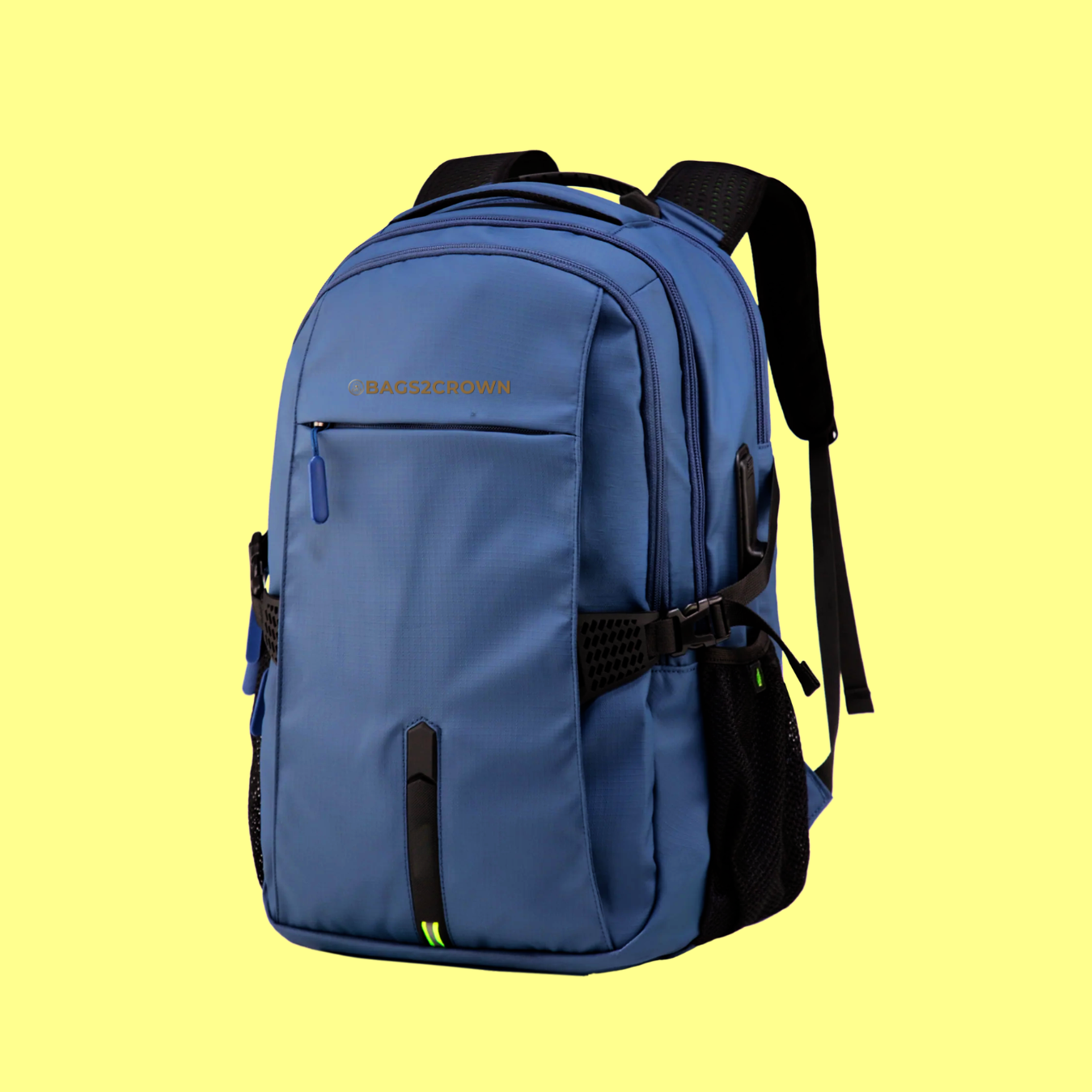 BackpacksCorporate, laptop and campus backpacks in bulk, branded with your logo.View Products
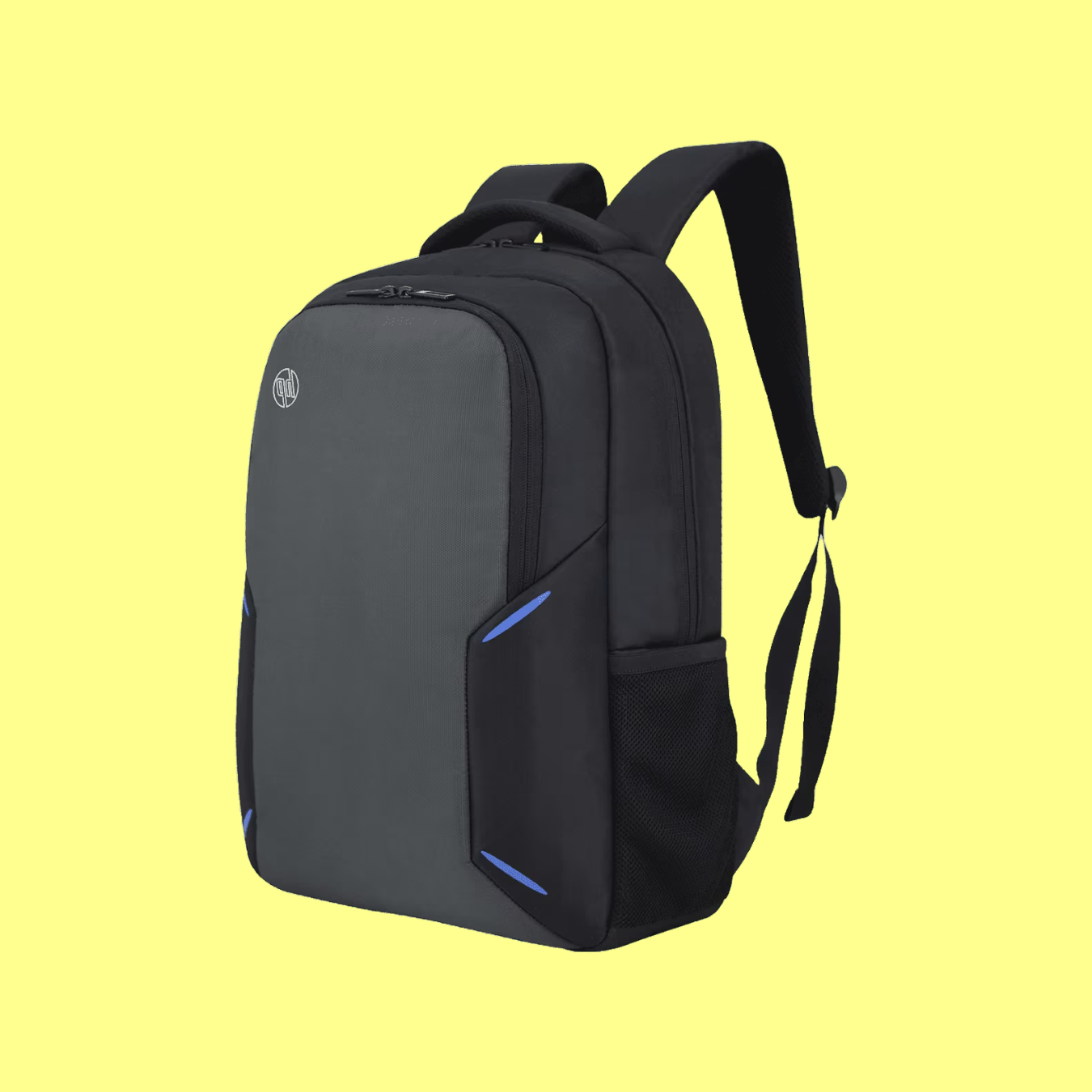 Laptop BagsPadded sleeves, messengers and briefcases for office and IT rollouts.View Products
 Office BagsProfessional portfolios and document bags for daily corporate use.View Products
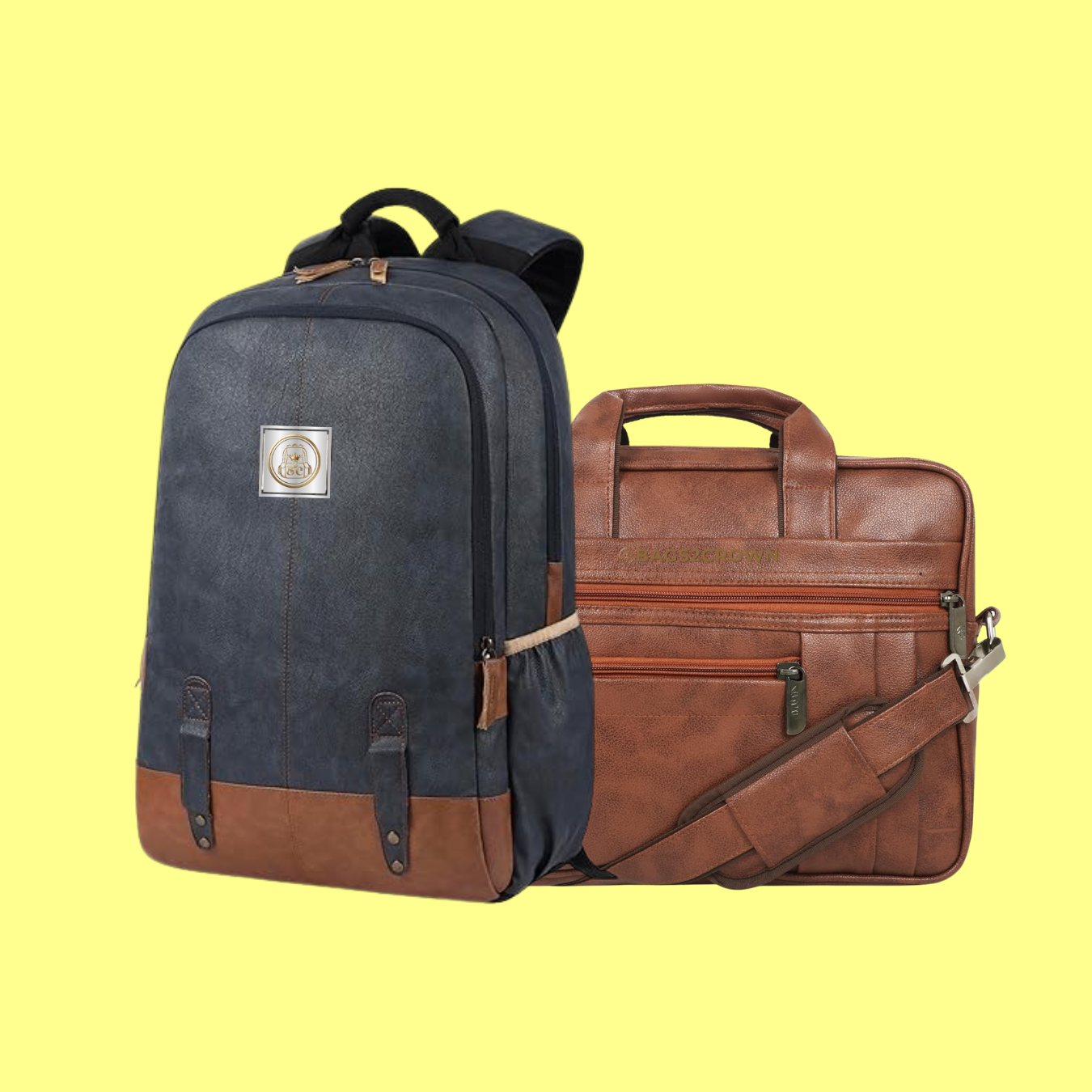
 Leather BagsGenuine and PU leather bags with premium finish for gifting and export.View Products
 Duffle BagsGym, travel and weekender duffles built for repeat heavy use.View Products
 Trolley BagsWheeled cabin and check-in luggage in custom sizes and colours.View Products
 Travel BagsCabin-friendly travel bags for hotels, tour operators and corporate trips.View Products
 School BagsDurable school bags and stationery pouches supplied in bulk, on schedule.View Products
 Ladies BagsHandbags, totes and slings in fabric, PU and leather finishes.View Products
 Sling & Crossbody BagsCompact everyday slings for promotions, retail and merchandise.View Products
 Delivery BagsInsulated last-mile delivery bags for food and e-commerce fleets.View Products
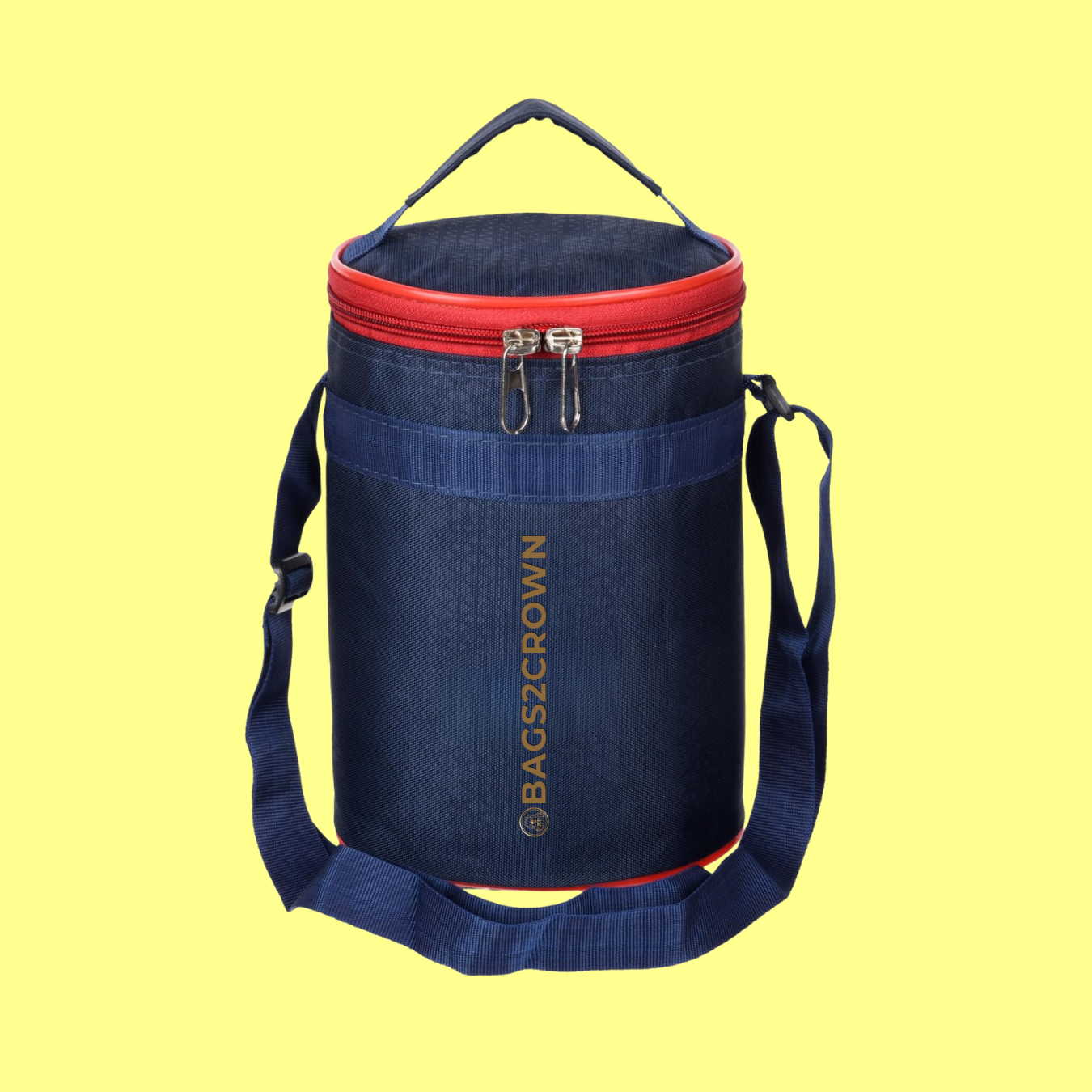 Tiffin & Insulated Lunch BagsThermal tiffin and lunch carriers for gifting and retail packs.View Products
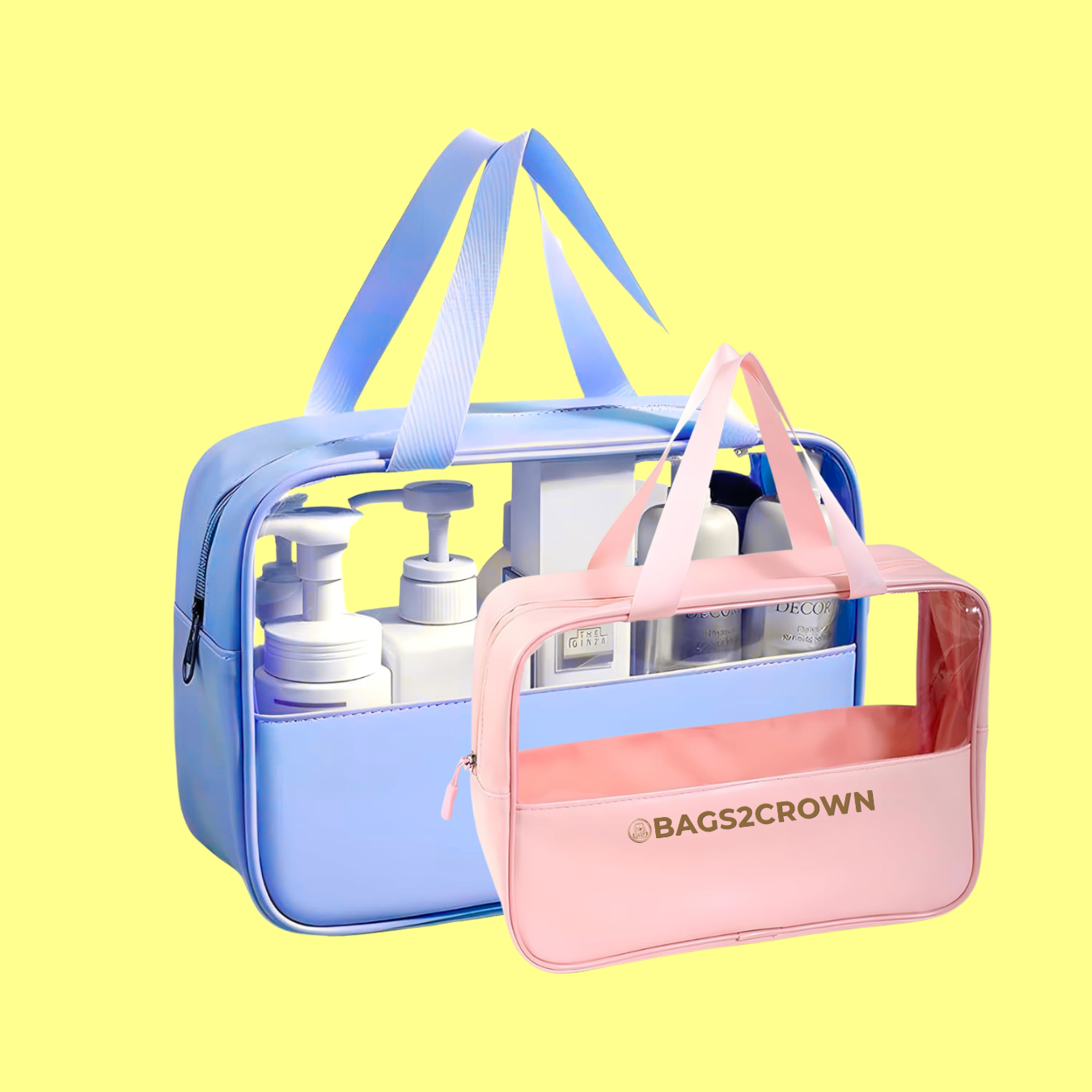 Cosmetic & Pouch BagsTravel pouches, kits and organisers for hampers and gift sets.View Products
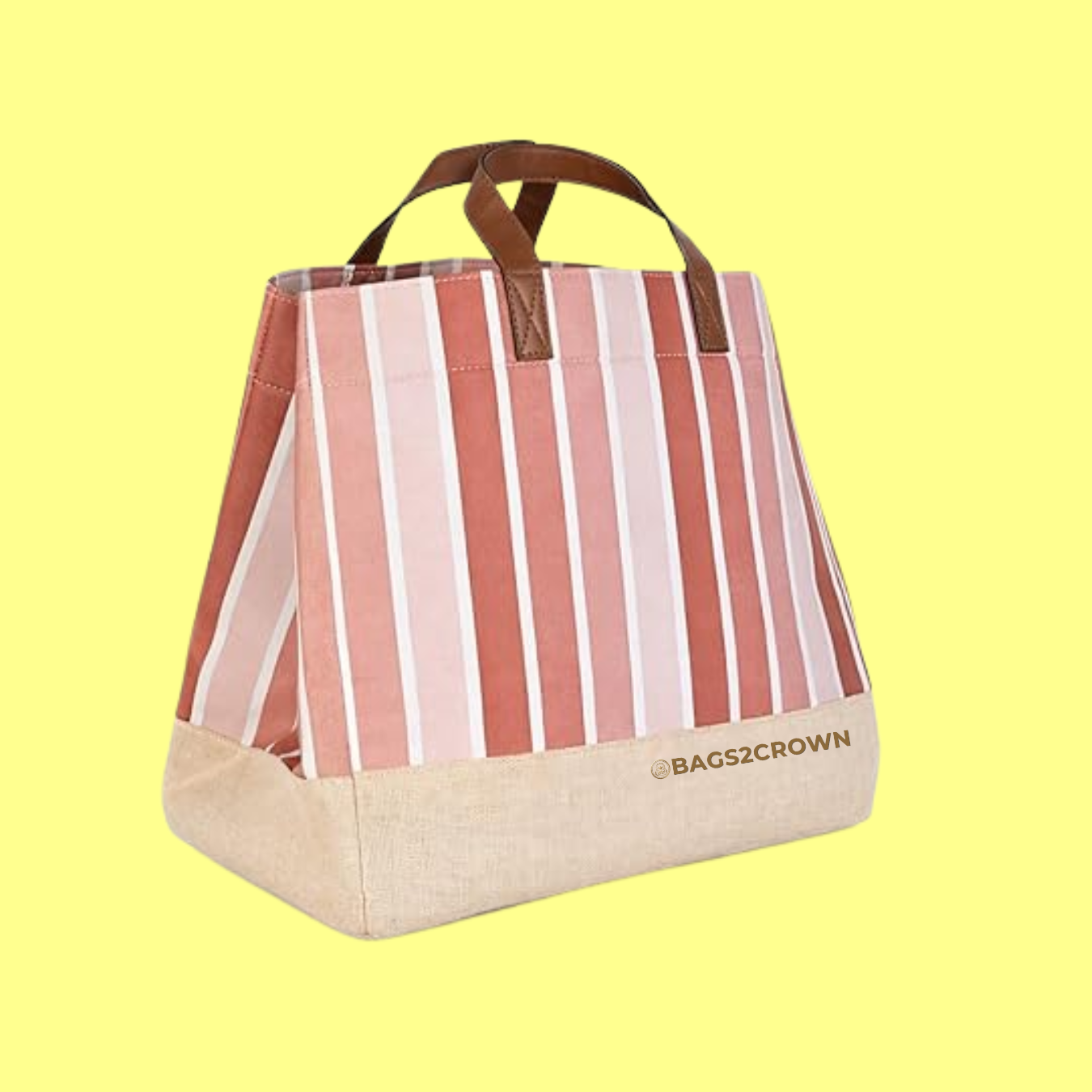 Jute BagsEco-friendly jute and cotton bags for events and sustainable branding.View Products
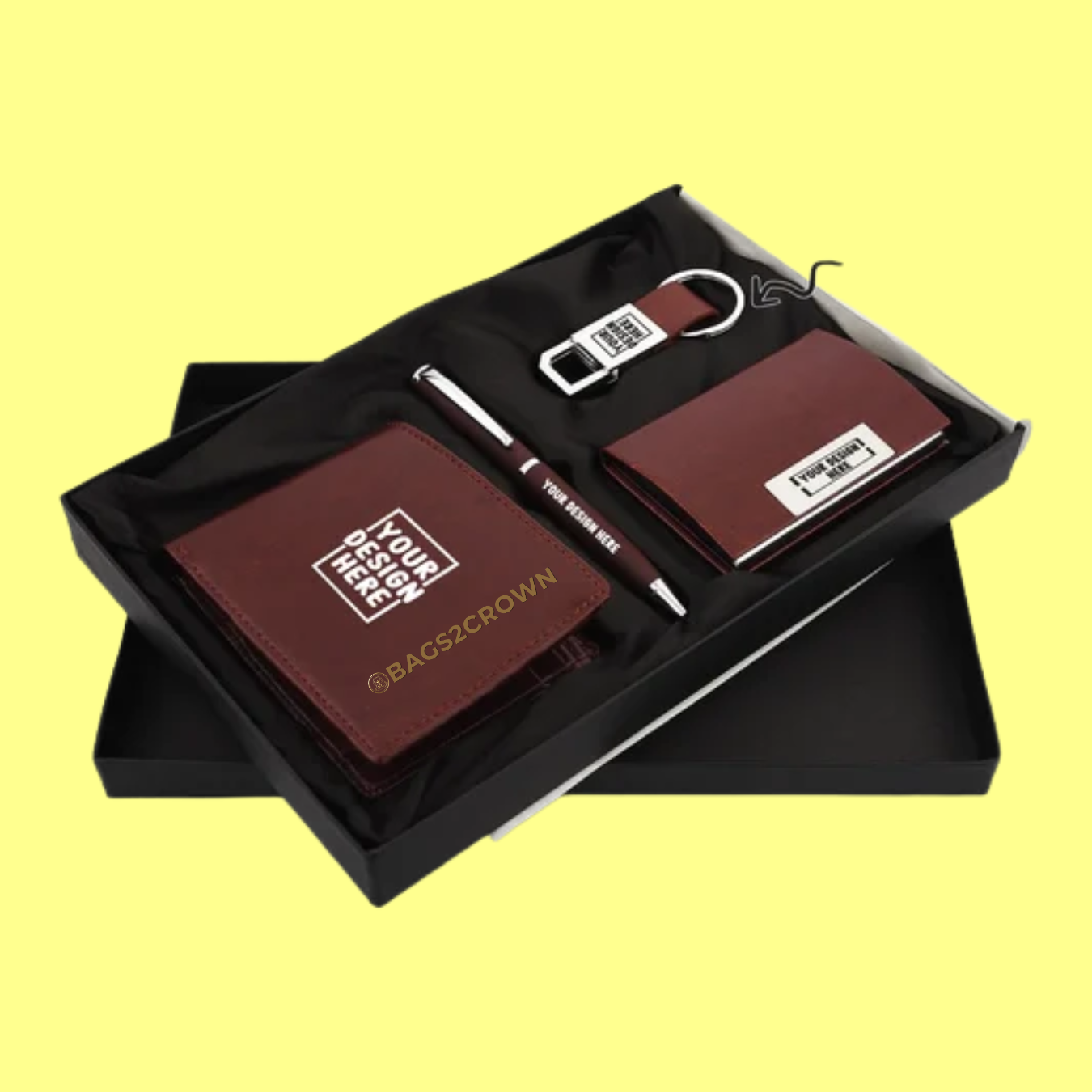 Corporate Gifts ItemsComplete branded gifting kits, assembled and packed to order.View Products